Deadly H5N1 Bird Flu Detected in Australian Seabirds, Threatens Multiple Animal Species
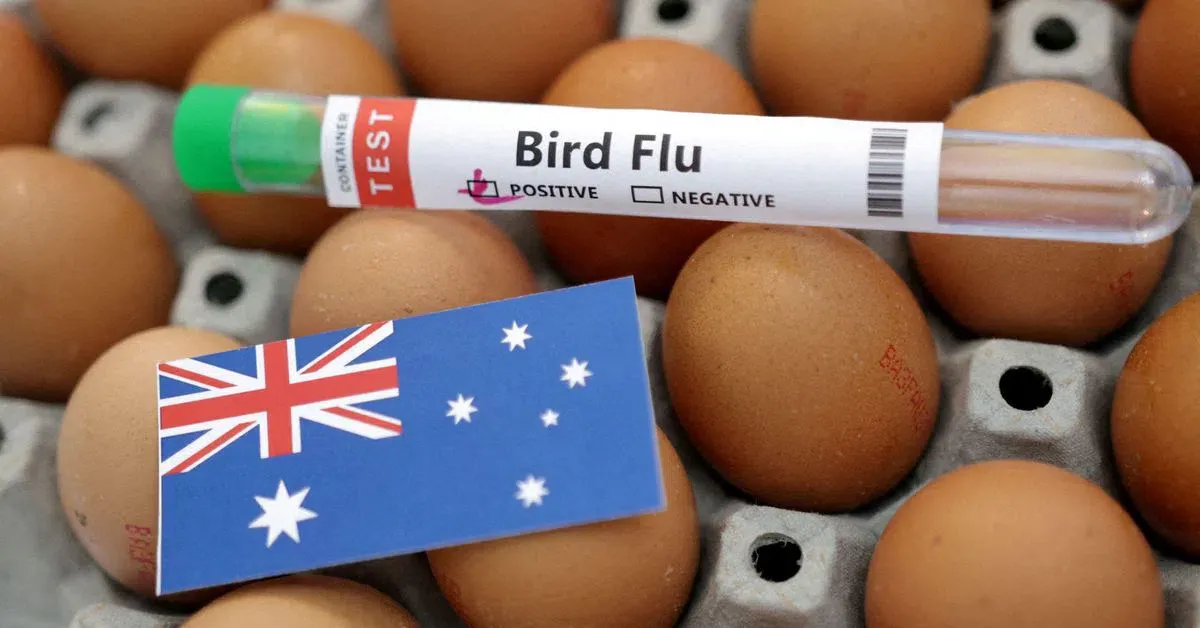
The H5N1 strain of bird flu, detected in seabirds across two Australian states, poses a significant threat beyond birds, affecting backyard chickens, poultry farms, and domestic cats. This highly infectious zoonotic virus, evolving since 2004, has recently spread in the US and parts of South America, causing animal deaths. Australian authorities are monitoring its arrival, which may have occurred earlier than June 20, with concerns about transmission through migratory birds and other animals like cattle and cats.
First-hand measurement across 2 sources
We measured how 2 outlets covered this story. Coverage leans balanced overall (Left 0%, Centre 100%, Right 0%). Overall sentiment is neutral (45/100). Lens Score 33/100 — low public interest.
Outlets analysed (first-hand measurement by TBN's Bias Engine):
- businessstandard— balanced framing, neutral sentiment
- news18— balanced framing, neutral sentiment
AI Analysis
The articles present a scientific and veterinary perspective focused on the spread and impact of the H5N1 virus without political framing. They emphasize public health and animal welfare concerns, referencing international cases and Australian authorities' monitoring efforts. The coverage is factual and does not reflect partisan viewpoints or political agendas.
The tone across the articles is cautionary and informative, highlighting the seriousness of the H5N1 virus for various animal species. While the coverage underscores risks and animal deaths, it maintains a neutral and professional tone aimed at raising awareness rather than evoking fear or alarm.
How 2 sources covered this story
Each source's own headline, political lean, and sentiment — so you can see framing differences at a glance.