India's Office Leasing Shows Mixed Trends with Growth in Bengaluru and Hyderabad
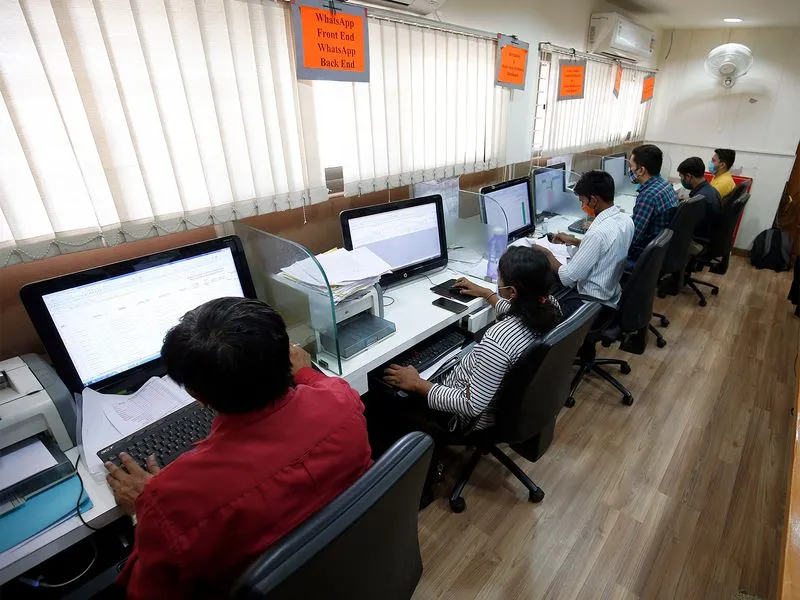
India's office space market showed resilience in the first half of 2026, with gross leasing reaching 35.7 million sq ft across seven major cities, a 6% increase year-on-year. Bengaluru and Hyderabad led growth, while Mumbai, Pune, Chennai, and Kolkata experienced declines in leasing during Q2. Despite a 2% dip in overall leasing in April-June due to reduced new supply, demand outpaced supply, supporting modest rent rises in select markets. The expansion of Global Capability Centers and flexible workspaces contributed to steady demand amid cautious market sentiment.
First-hand measurement across 5 sources
We measured how 5 outlets covered this story. Coverage leans balanced overall (Left 0%, Centre 100%, Right 0%). Overall sentiment is neutral (62/100). Lens Score 28/100 — low public interest.
Outlets analysed (first-hand measurement by TBN's Bias Engine):
- news18— balanced framing, positive sentiment
- businessstandard— balanced framing, neutral sentiment
- economictimes— balanced framing, neutral sentiment
- economictimes— balanced framing, neutral sentiment
- thetribune— balanced framing, neutral sentiment
AI Analysis
The articles present a largely neutral economic perspective focusing on real estate market data without political framing. They highlight regional variations and market dynamics without attributing causes to political policies or actors. The coverage emphasizes industry reports and statistical trends, reflecting a business-oriented viewpoint rather than political commentary.
The overall tone is cautiously optimistic, acknowledging resilience and growth in key cities alongside declines in others. The sentiment balances positive aspects like rising demand and rent gains with tempered caution due to reduced supply and slowing activity in some markets. This mixed sentiment reflects a realistic appraisal of current market conditions without exaggeration.
How 5 sources covered this story
Each source's own headline, political lean, and sentiment — so you can see framing differences at a glance.