Japan's Nikkei Posts Record Quarterly Gain on Tech and AI Stock Rebound
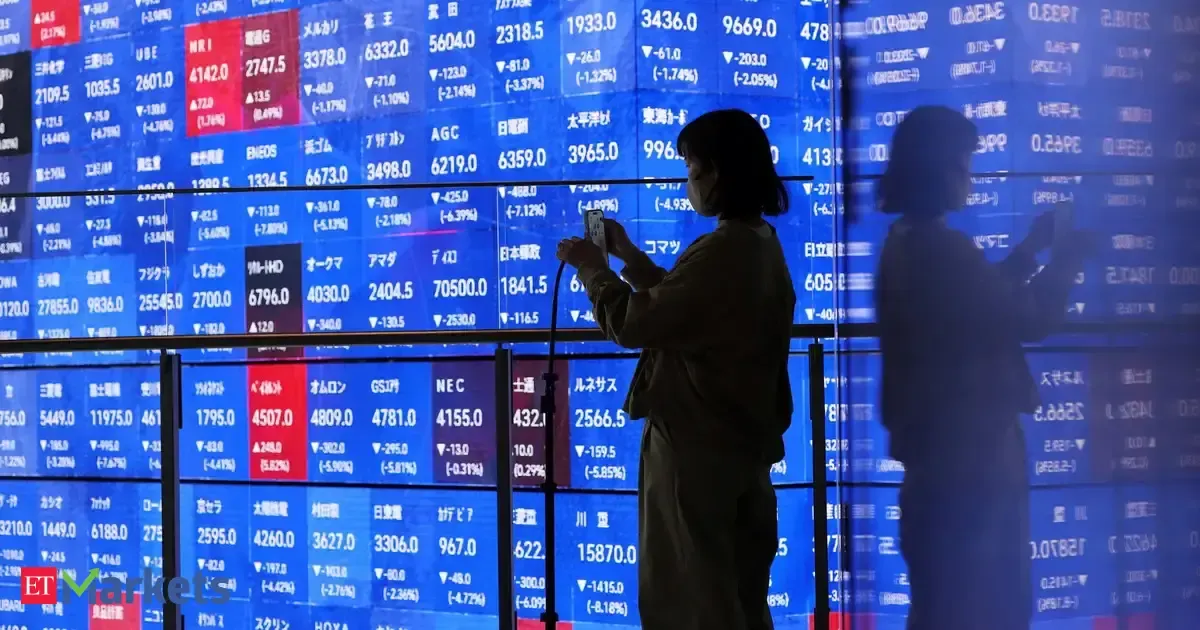
Japan's Nikkei 225 index recorded its strongest quarterly gain since 1965, rising 37% in April-June, driven by a rebound in technology and AI-related stocks. The index closed at 70,062.32, supported by positive sentiment from U.S. market rallies and easing geopolitical tensions. Despite mixed market breadth and a slight miss in May industrial output, investor optimism was bolstered by Japan's export prospects amid a weaker yen and ongoing investments in AI sectors.
First-hand measurement across 6 sources
We measured how 6 outlets covered this story. Coverage leans balanced overall (Left 0%, Centre 100%, Right 0%). Overall sentiment is neutral (65/100). Lens Score 39/100 — moderate-to-low public interest.
Outlets analysed (first-hand measurement by TBN's Bias Engine):
- businessstandard— balanced framing, positive sentiment
- economictimes— balanced framing, neutral sentiment
- businessstandard— balanced framing, positive sentiment
- economictimes— balanced framing, positive sentiment
- businessstandard— balanced framing, positive sentiment
- economictimes— balanced framing, neutral sentiment
AI Analysis
The articles present a largely economic and market-focused perspective without evident political framing. Coverage emphasizes market performance, investor sentiment, and economic indicators, reflecting viewpoints from financial analysts and market observers. There is no significant political discourse or partisan interpretation, focusing instead on factual reporting of market trends and economic data.
The overall tone across the articles is positive, highlighting strong market gains and renewed optimism in technology and AI sectors. While acknowledging some mixed market breadth and modest industrial output, the sentiment remains upbeat due to favorable external factors like U.S. market rallies and a weaker yen, which support Japan's export-driven economy.
How 6 sources covered this story
Each source's own headline, political lean, and sentiment — so you can see framing differences at a glance.