RBI Approves Rajiv Kumar as HDFC Bank Part-Time Chairman for Three Years
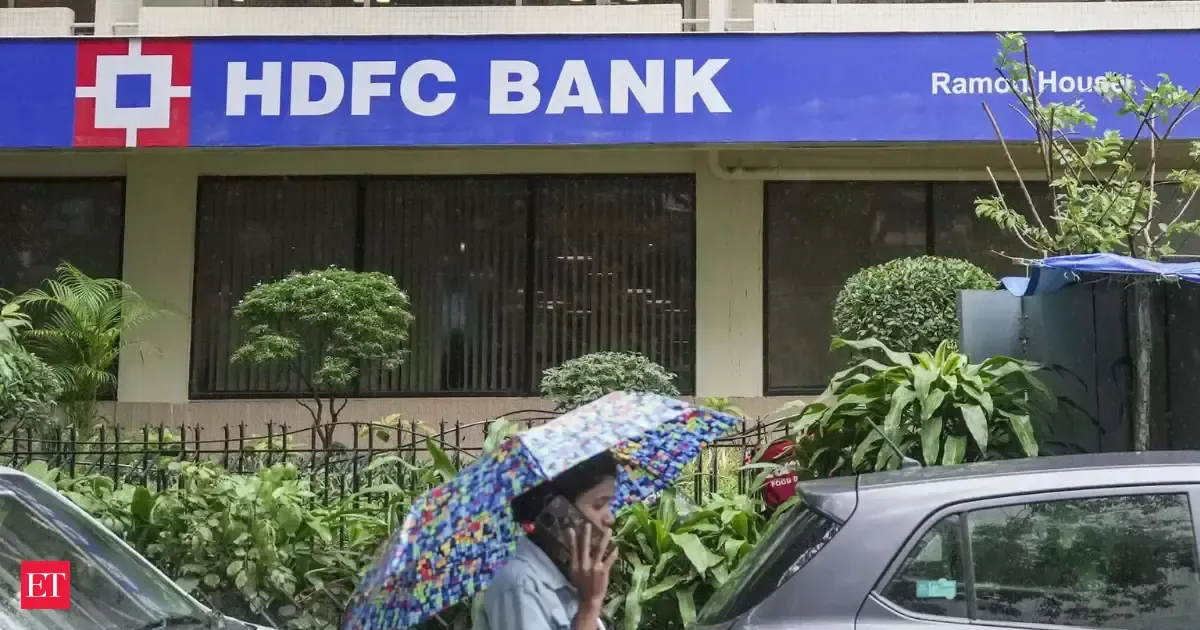
HDFC Bank has received approval from the Reserve Bank of India (RBI) to appoint Rajiv Kumar as its part-time chairman for a three-year term starting July 15, 2026. Kumar, a former Chief Election Commissioner and Finance Secretary, succeeds interim chairman Keki Mistry, who will remain on the board as a non-executive, non-independent director. The appointment follows the bank's application and board approval in June 2026, with Kumar's tenure coinciding with upcoming leadership reviews at the bank.
First-hand measurement across 7 sources
We measured how 7 outlets covered this story. Coverage leans balanced overall (Left 3%, Centre 95%, Right 2%). Overall sentiment is positive (66/100). Lens Score 32/100 — low public interest.
Outlets analysed (first-hand measurement by TBN's Bias Engine):
- businessstandard— balanced framing, positive sentiment
- thetribune— balanced framing, neutral sentiment
- news18— balanced framing, positive sentiment
- mint— balanced framing, positive sentiment
- freepressjournal— balanced framing, neutral sentiment
- freepressjournal— balanced framing, neutral sentiment
- economictimes— balanced framing, neutral sentiment
AI Analysis
The articles present a predominantly neutral perspective focused on the regulatory approval and leadership transition at HDFC Bank. They highlight Rajiv Kumar's bureaucratic background and previous roles without political commentary. Coverage includes official statements and procedural details, reflecting institutional viewpoints without partisan framing or political debate.
The overall tone across the articles is neutral to positive, emphasizing the formal approval process and Kumar's credentials. There is recognition of his past contributions to financial sector reforms, but the coverage avoids emotive language or controversy. The sentiment reflects routine corporate governance news with a focus on continuity and regulatory compliance.
How 7 sources covered this story
Each source's own headline, political lean, and sentiment — so you can see framing differences at a glance.