Studies Highlight Urban Prosperity Disparities and Liveability Challenges in Indian Cities
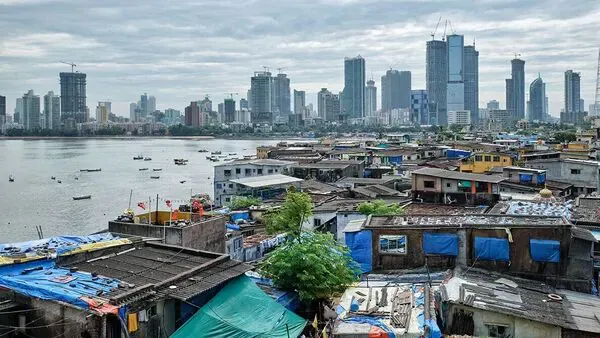
Recent analyses highlight significant disparities in India's urban prosperity and liveability. A study by PRICE and Tata Sons reveals that a few major cities, especially six metros, dominate income and spending, underscoring an uneven urbanization pattern. Meanwhile, the Economist Intelligence Unit's 2026 Global Liveability Index ranks Indian cities low compared to global peers, emphasizing the need for improved civic amenities and structural reforms to enhance quality of life amid economic growth.
First-hand measurement across 2 sources
We measured how 2 outlets covered this story. Coverage leans balanced overall (Left 20%, Centre 75%, Right 5%). Overall sentiment is neutral (52/100). Lens Score 22/100 — low public interest.
Outlets analysed (first-hand measurement by TBN's Bias Engine):
- mint— balanced framing, neutral sentiment
- mint— balanced framing, neutral sentiment
AI Analysis
The articles present a largely economic and developmental perspective without explicit political alignment. They focus on urban disparities and governance challenges, referencing research and global indices. The coverage includes calls for policy reforms and fiscal empowerment, reflecting a technocratic viewpoint rather than partisan framing, with emphasis on balanced urban growth and infrastructure improvements.
The overall tone is analytical and cautiously critical, acknowledging India's economic progress while pointing out urban inequalities and liveability shortcomings. The sentiment is mixed, combining recognition of growth with concerns about uneven development and the need for reforms, without overtly negative or positive language.
How 2 sources covered this story
Each source's own headline, political lean, and sentiment — so you can see framing differences at a glance.