RBI Reviews Credit Loss Rules Over Potential Impact on SME Borrowing Costs
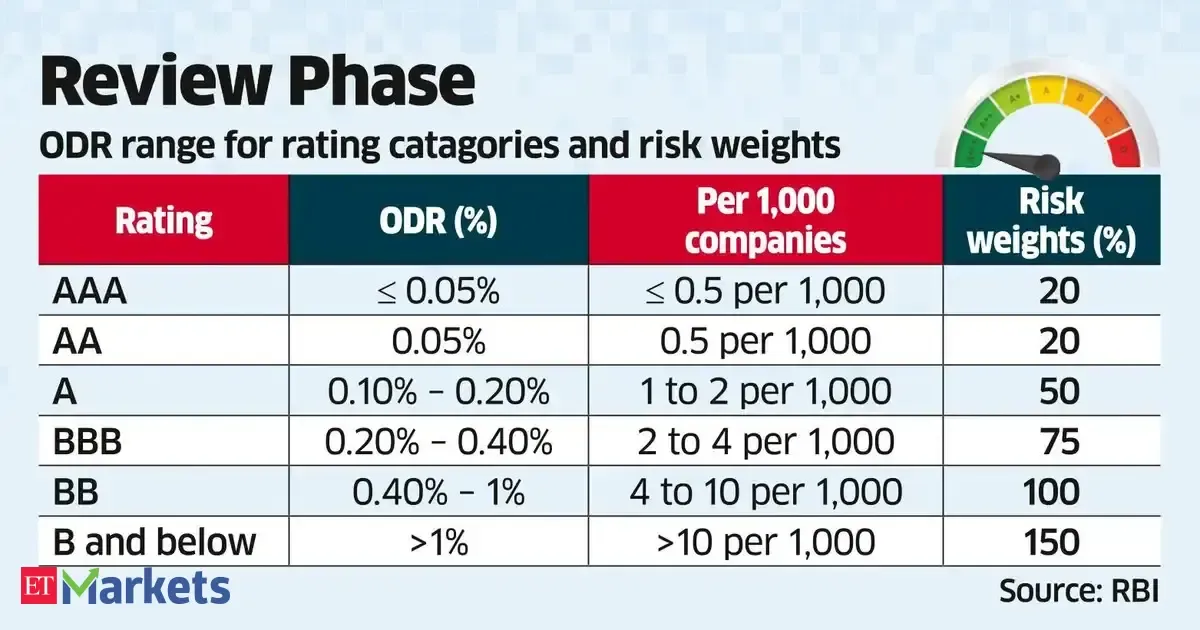
The Reserve Bank of India is reviewing its expected credit loss (ECL) framework amid concerns that current rules may increase borrowing costs for small and mid-sized enterprises (SMEs). The framework links banks' capital requirements to rating agencies' default rates, and recent breaches of default rate benchmarks by all seven rating agencies in the BB category could lead to higher risk weights for SMEs. The RBI is considering adjustments to mitigate unintended impacts while maintaining rating discipline.
First-hand measurement across 2 sources
We measured how 2 outlets covered this story. Coverage leans balanced overall (Left 10%, Centre 85%, Right 5%). Overall sentiment is neutral (40/100). Lens Score 33/100 — low public interest.
Outlets analysed (first-hand measurement by TBN's Bias Engine):
- economictimes— balanced framing, neutral sentiment
- economictimes— balanced framing, neutral sentiment
AI Analysis
The articles primarily present the RBI's regulatory perspective and concerns about credit risk management without political framing. They focus on financial and regulatory implications for SMEs, reflecting a technocratic viewpoint. There is no evident partisan or ideological bias, as the coverage centers on policy review and its economic effects rather than political debate.
The tone across the articles is neutral to cautiously concerned, highlighting potential negative consequences for SMEs due to stricter credit loss rules. While the RBI's intent to improve rating discipline is noted, the emphasis on possible higher borrowing costs introduces a note of caution. Overall, the sentiment balances regulatory prudence with awareness of economic challenges for smaller firms.
How 2 sources covered this story
Each source's own headline, political lean, and sentiment — so you can see framing differences at a glance.