RBI Measures Expected to Lower Banks' Overseas Borrowing Costs and Support Inflows
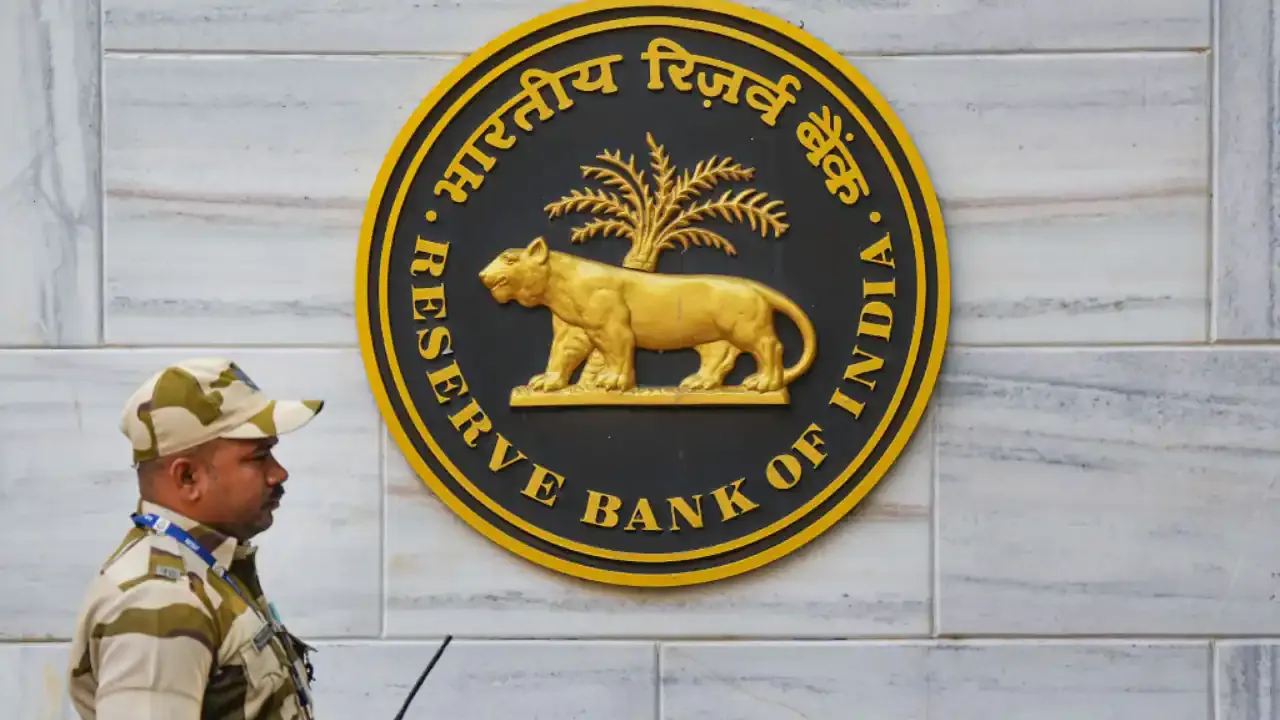
The Reserve Bank of India (RBI) has introduced measures to reduce banks' overseas borrowing costs by 2-2.5% via the external commercial borrowing (ECB) route. These include a concessional USD-INR swap facility aimed at lowering hedging expenses, thereby improving liquidity and aiding foreign exchange reserves. The RBI's policies also encourage Foreign Currency Non-Resident (Bank) FCNR(B) deposits, offering attractive returns for depositors and additional spreads for banks. Banks have raised FCNR(B) deposit rates to attract inflows, with the swap window open until September-end.
First-hand measurement across 4 sources
We measured how 4 outlets covered this story. Coverage leans balanced overall (Left 0%, Centre 100%, Right 0%). Overall sentiment is positive (70/100). Lens Score 32/100 — low public interest.
Outlets analysed (first-hand measurement by TBN's Bias Engine):
- economictimes— balanced framing, positive sentiment
- moneycontrol— balanced framing, positive sentiment
- moneycontrol— balanced framing, positive sentiment
- moneycontrol— balanced framing, positive sentiment
AI Analysis
The articles primarily present the RBI's financial policy changes from a neutral, economic perspective without political framing. They focus on technical aspects of banking costs, liquidity, and forex reserves, reflecting viewpoints from financial analysts and the central bank. There is no evident partisan or ideological bias, as the coverage centers on policy impacts rather than political debate.
The overall tone across the articles is positive to neutral, emphasizing potential benefits such as reduced borrowing costs, improved liquidity, and strengthened forex reserves. The language highlights advantages for both banks and depositors without expressing criticism or concern, indicating a generally favorable sentiment toward the RBI's measures.
How 4 sources covered this story
Each source's own headline, political lean, and sentiment — so you can see framing differences at a glance.