India Approves Rs 1.25 Lakh Crore Outlay for Semiconductor Mission 2.0 Expansion
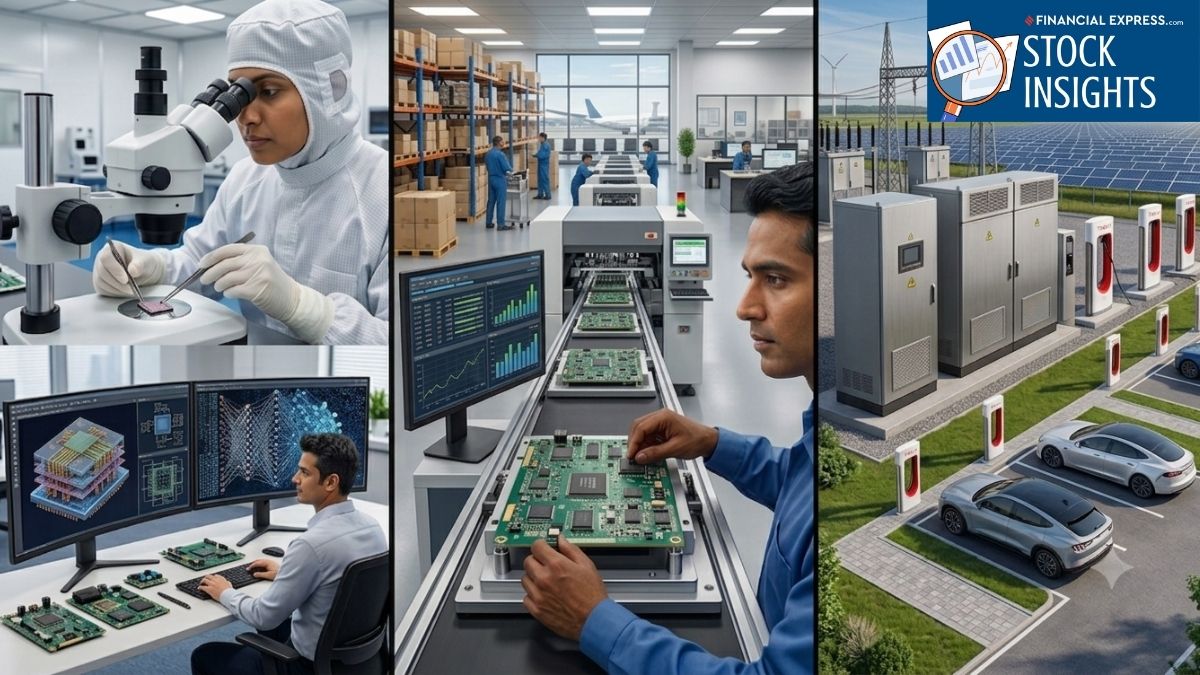
The Expenditure Finance Committee has approved a Rs 1.2-1.25 lakh crore outlay for India Semiconductor Mission 2.0, pending Cabinet approval. This expanded phase aims to build a comprehensive domestic semiconductor ecosystem, including chip fabrication, design, materials, and equipment, to reduce import dependence. The first phase approved 12 projects with investments of about Rs 1.64 lakh crore. Industry leaders highlight progress with new manufacturing units and pilot production lines, signaling India's push toward technological self-reliance in semiconductors.
First-hand measurement across 15 sources
We measured how 15 outlets covered this story. Coverage leans balanced overall (Left 3%, Centre 95%, Right 2%). Overall sentiment is positive (75/100). Lens Score 34/100 — low public interest.
Outlets analysed (first-hand measurement by TBN's Bias Engine):
- businessstandard— balanced framing, positive sentiment
- thefinancialexpress— balanced framing, positive sentiment
- thefinancialexpress— balanced framing, positive sentiment
- economictimes— balanced framing, positive sentiment
- indiatoday— balanced framing, positive sentiment
- thefinancialexpress— balanced framing, positive sentiment
- thehindu— balanced framing, positive sentiment
- economictimes— balanced framing, positive sentiment
AI Analysis
The articles collectively present a government-driven initiative emphasizing technological self-reliance and economic development, reflecting a pro-industry and policy-supportive perspective. Coverage includes official statements and industry viewpoints without partisan critique, focusing on the government's strategic goals and investment scale. There is limited representation of opposition or critical perspectives, highlighting a consensus on the importance of semiconductor development.
The overall tone across the articles is positive, highlighting progress, investment, and strategic ambition in India's semiconductor sector. Descriptions of new manufacturing facilities and government support convey optimism about technological advancement and economic growth. While some articles note pending approvals and ongoing discussions, the sentiment remains forward-looking and constructive without significant negative or critical language.