Tracing the Global Journey of Clothes Sold at Sarojini Nagar via Panipat
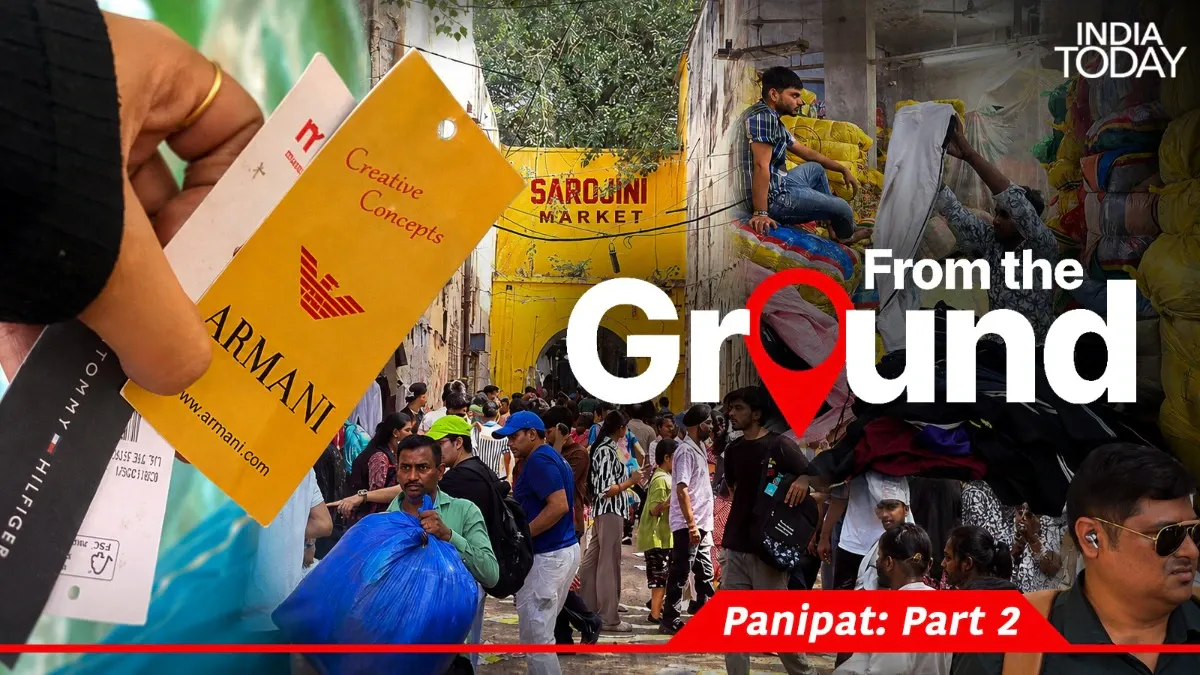
Clothes sold at markets like Sarojini Nagar often originate from Panipat, a major textile hub in India. These garments include export surplus, factory rejects, unsold stock, and second-hand clothes imported from countries such as the US, Canada, South Korea, China, UAE, and Japan. Traders in Panipat sort, pack, and sometimes retag these clothes before distributing them nationwide. The supply chain spans global collection points, Indian ports, Panipat warehouses, and finally retail markets, offering affordable fashion options across India.
First-hand measurement across 2 sources
We measured how 2 outlets covered this story. Coverage leans balanced overall (Left 0%, Centre 100%, Right 0%). Overall sentiment is neutral (58/100). Lens Score 29/100 — low public interest.
Outlets analysed (first-hand measurement by TBN's Bias Engine):
- indiatoday— balanced framing, neutral sentiment
- indiatoday— balanced framing, neutral sentiment
AI Analysis
The articles primarily present an economic and supply chain perspective without explicit political framing. They focus on the textile trade dynamics involving domestic and international sources, highlighting the role of Panipat as a distribution center. The coverage includes traders' claims and market observations but does not engage with political debates or policy critiques, maintaining a neutral stance.
The tone across the articles is largely neutral and informative, emphasizing the complexity and scale of the clothing supply chain. While the affordability of fashion is noted positively, there is also mention of practices like selling garments without washing and retagging, which are presented factually without judgment. Overall, the sentiment is balanced, focusing on uncovering the supply chain rather than endorsing or criticizing it.