Energy Supply Disruptions and Shifts in Global Energy Security Amid Strait of Hormuz Tensions
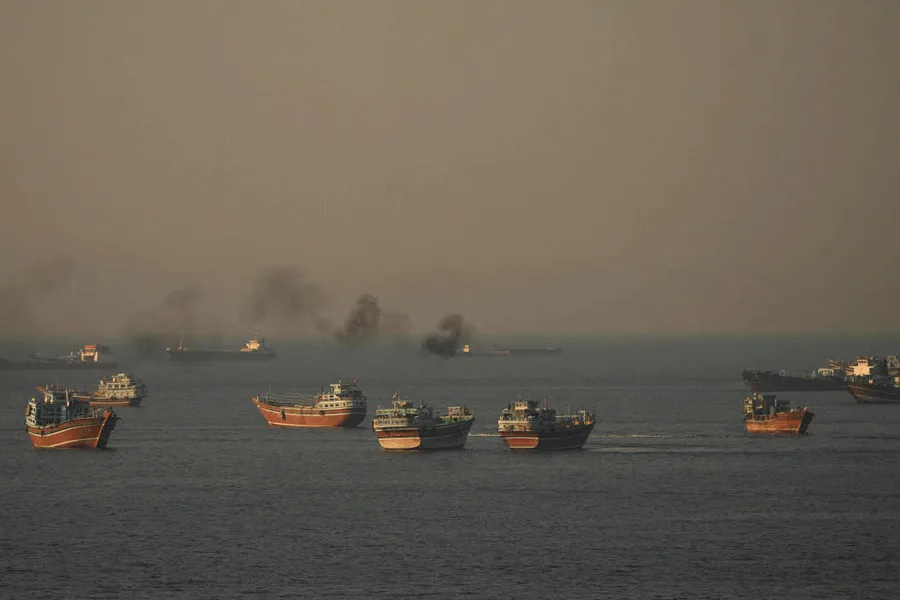
Recent geopolitical tensions around the Strait of Hormuz disrupted energy supplies, notably halving India's LPG imports due to shipping delays. While crude oil flows remained relatively stable, LPG and liquefied natural gas faced sharper impacts. Analysts highlight China's significant reduction in oil imports during the crisis, which helped mitigate a global oil shock. Experts also emphasize the evolving nature of energy security, shifting from fossil fuel flow dependence to material stock reliance amid the transition to renewable energy technologies.
First-hand measurement across 3 sources
We measured how 3 outlets covered this story. Coverage leans balanced overall (Left 10%, Centre 83%, Right 7%). Overall sentiment is neutral (63/100). Lens Score 23/100 — low public interest.
Outlets analysed (first-hand measurement by TBN's Bias Engine):
- thetelegraph— balanced framing, neutral sentiment
- indiatoday— balanced framing, positive sentiment
- thehindu— balanced framing, neutral sentiment
AI Analysis
The articles present a range of perspectives including geopolitical analysis of US-Iran tensions, China's role in global oil markets, and broader energy security considerations. Coverage includes government and market viewpoints, expert analyses, and strategic implications without favoring any political stance. The framing balances immediate crisis impacts with long-term energy transition themes.
The overall tone is measured and analytical, reflecting concerns about supply disruptions and market volatility while acknowledging mitigating factors like China's import adjustments and the potential for a renewable energy future. Sentiment is mixed, combining caution about current challenges with cautious optimism about evolving energy security frameworks.
How 3 sources covered this story
Each source's own headline, political lean, and sentiment — so you can see framing differences at a glance.