India's Railway Electrification: Strategic Energy Shift and Future Infrastructure Considerations
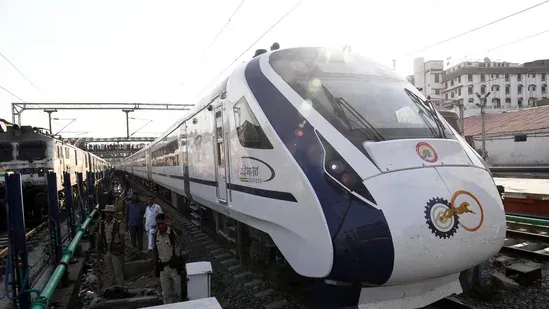
The electrification of Indian Railways, initiated despite economic challenges post-Independence, is recognized as a strategic move enhancing India's energy security. While initially costly compared to diesel, electrification provided flexibility by enabling trains to run on diverse energy sources as the national grid evolved. This shift reduced dependence on imported oil and insulated the rail network from global oil market fluctuations. The success of railway electrification prompts discussions on extending similar strategies to other freight systems for future infrastructure development.
First-hand measurement across 2 sources
We measured how 2 outlets covered this story. Coverage leans balanced overall (Left 10%, Centre 85%, Right 5%). Overall sentiment is positive (72/100). Lens Score 17/100 — low public interest.
Outlets analysed (first-hand measurement by TBN's Bias Engine):
- hindustantimes— balanced framing, positive sentiment
- economictimes— balanced framing, positive sentiment
AI Analysis
The articles present a largely neutral and developmental perspective, emphasizing the strategic foresight of Indian planners without partisan framing. They highlight government-led infrastructure decisions and their long-term benefits, reflecting a consensus on the importance of energy security and modernization. There is no evident political critique or opposition viewpoint, focusing instead on historical context and future implications.
The tone across the articles is positive and forward-looking, praising the railway electrification as a visionary and beneficial initiative. The coverage underscores the advantages of strategic flexibility and energy diversification, with an optimistic view toward applying similar approaches to other sectors. There is no negative sentiment or controversy noted, maintaining an appreciative and constructive narrative.