US Proposes Tariffs on Imports Linked to Forced Labour Amid Trade Policy Shift
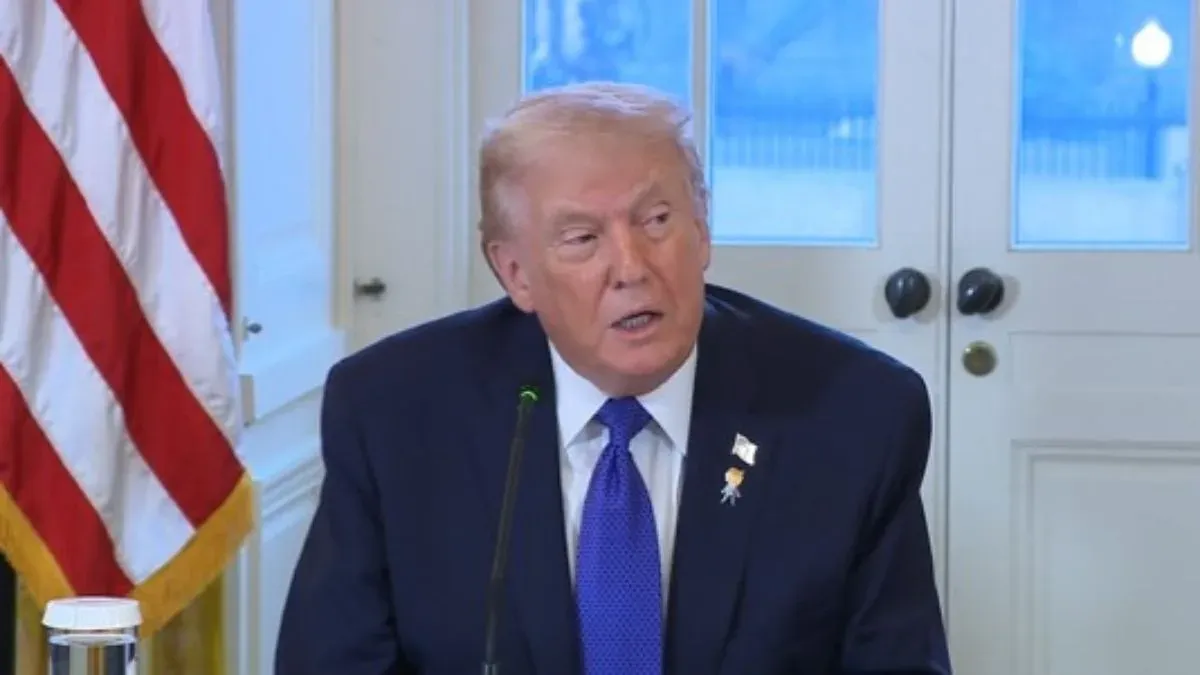
The Trump administration has proposed new tariffs targeting imports from 60 countries accused of using forced labour, aiming to address human rights concerns through trade policy. While the move reframes tariffs as tools for strategic leverage beyond economic factors, experts and business groups question its effectiveness in combating modern slavery, warning it may worsen conditions. The plan, following a Supreme Court ruling limiting previous tariffs, also faces criticism from trading partners like the EU over differing regulatory standards and enforcement approaches.
First-hand measurement across 2 sources
We measured how 2 outlets covered this story. Coverage leans balanced overall (Left 40%, Centre 55%, Right 5%). Overall sentiment is neutral (38/100). Lens Score 32/100 — low public interest.
Outlets analysed (first-hand measurement by TBN's Bias Engine):
- thestatesman— balanced framing, neutral sentiment
- thetelegraph— left-leaning framing, negative sentiment
AI Analysis
The articles present perspectives from both the US government's strategic framing of tariffs as tools against forced labour and critiques from experts and trading partners who view the measures as trade barriers with limited human rights impact. Coverage includes government policy rationale and opposition viewpoints, reflecting a balance between official intentions and external skepticism.
The overall tone is mixed, combining the administration's moral justification for the tariffs with critical assessments highlighting potential ineffectiveness and risks. While the policy is portrayed as a significant shift in trade strategy, expert opinions and partner reactions introduce caution and doubt, resulting in a nuanced sentiment.
How 2 sources covered this story
Each source's own headline, political lean, and sentiment — so you can see framing differences at a glance.