India's U.S. LPG Imports to Surpass 1 Million Tons in June Amid Middle East Disruptions
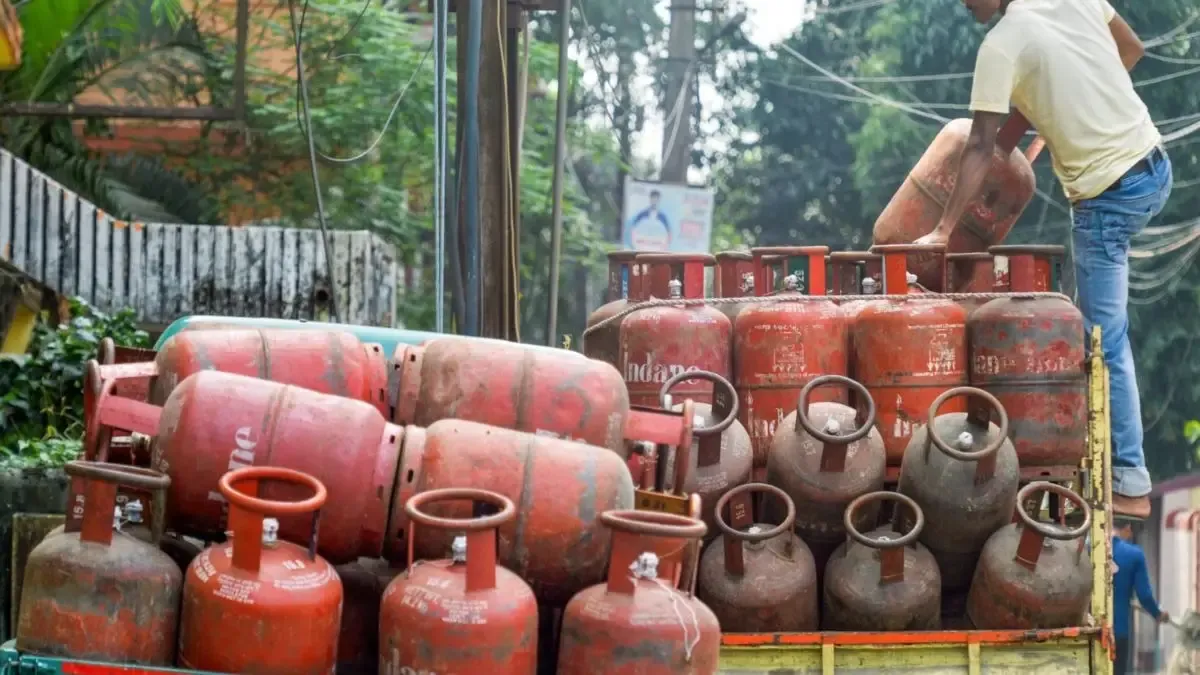
India's imports of liquefied petroleum gas (LPG) from the U.S. are expected to exceed 1 million metric tons in June, a record high, as disruptions in the Middle East, including the closure of the Strait of Hormuz amid regional conflict, have reduced supplies from West Asian producers. India, which previously sourced 90% of its LPG from the region, has increased U.S. purchases despite higher costs to ensure uninterrupted cooking gas supplies. Efforts to boost domestic LPG production and expand piped gas connections are also underway, contributing to a 15-20% reduction in consumption. Supplies from the UAE are beginning to recover, while Indian refiners continue to prioritize household LPG availability.
First-hand measurement across 4 sources
We measured how 4 outlets covered this story. Coverage leans balanced overall (Left 0%, Centre 100%, Right 0%). Overall sentiment is neutral (60/100). Lens Score 33/100 — low public interest.
Outlets analysed (first-hand measurement by TBN's Bias Engine):
- thehindu— balanced framing, neutral sentiment
- republicworld— balanced framing, neutral sentiment
- moneycontrol— balanced framing, neutral sentiment
- economictimes— balanced framing, neutral sentiment
AI Analysis
The articles primarily present a factual account of India's LPG import shifts due to Middle East disruptions, reflecting government and industry perspectives without overt political framing. Sources include anonymous trade insiders and government data, focusing on supply challenges and policy responses. There is limited emphasis on political debate or criticism, with coverage centered on energy security and trade adjustments.
The overall tone across the articles is neutral to cautiously optimistic, highlighting India's proactive measures to maintain LPG supplies despite regional instability and higher costs. While acknowledging supply disruptions and price increases, the coverage emphasizes government efforts to stabilize the market and reduce consumption, avoiding alarmist or overly negative language.