Direct-Seeded Rice Adoption Grows Amid Water Challenges but Faces Target Shortfalls in Haryana
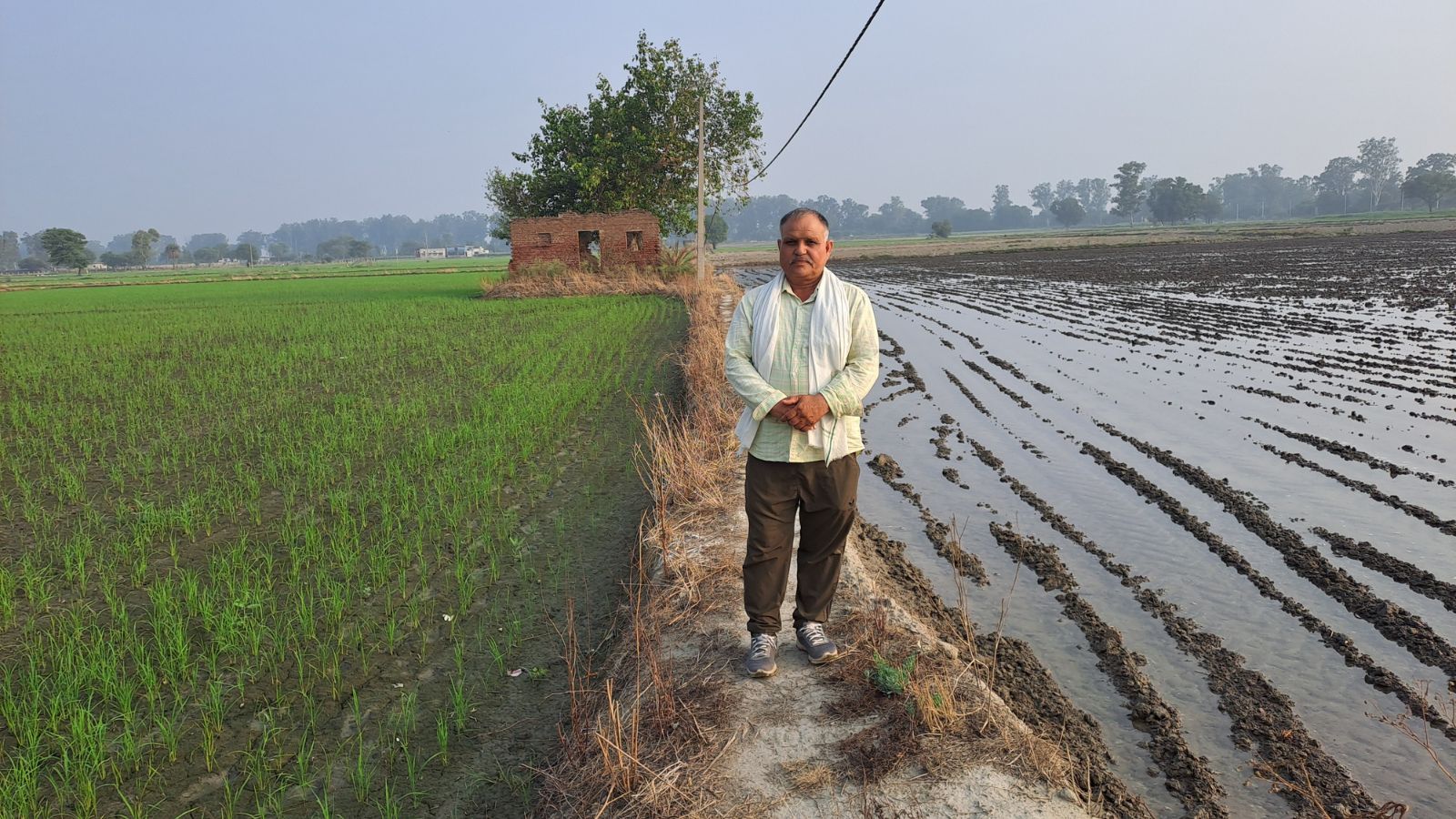
Direct-seeded rice (DSR) technology offers water and labor savings compared to traditional puddling and transplanting methods, especially relevant during the current El Niño year with below-normal rainfall. While farmers like Satyavan Sehrawat highlight DSR's advantages, Haryana's government efforts to promote DSR through financial incentives have fallen short of targets, with paddy cultivation on 6 lakh acres against a 10 lakh-acre goal. Officials continue to encourage adoption, citing groundwater conservation and cost reduction benefits.
First-hand measurement across 2 sources
We measured how 2 outlets covered this story. Coverage leans balanced overall (Left 5%, Centre 93%, Right 2%). Overall sentiment is neutral (65/100). Lens Score 43/100 — moderate-to-low public interest.
Outlets analysed (first-hand measurement by TBN's Bias Engine):
- hindustantimes— balanced framing, neutral sentiment
- indianexpress— balanced framing, positive sentiment
AI Analysis
The articles present government perspectives emphasizing incentives and environmental benefits of DSR, alongside farmers' practical challenges and mixed responses. Official statements highlight policy support and targets, while farmers' views reflect concerns over labor and water use. The coverage balances administrative promotion with on-ground adoption realities without favoring any political stance.
The overall tone is cautiously optimistic, recognizing DSR's potential benefits in water conservation and cost savings amid climatic challenges. However, it also acknowledges implementation difficulties and farmers' hesitancy, resulting in a mixed sentiment that combines encouragement from officials with pragmatic concerns from cultivators.
How 2 sources covered this story
Each source's own headline, political lean, and sentiment — so you can see framing differences at a glance.