NSE Files Draft Prospectus for ₹30,000 Crore IPO Amid Market and Ownership Insights
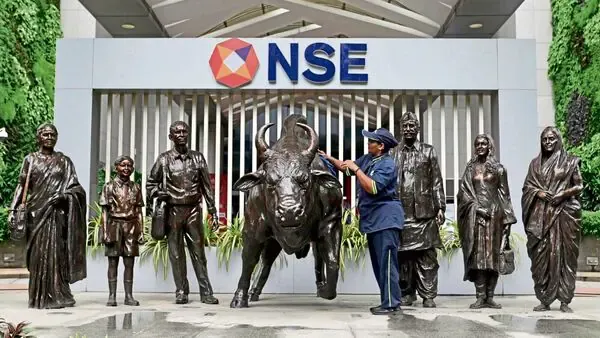
The National Stock Exchange of India (NSE) has filed its Draft Red Herring Prospectus for a proposed IPO expected to raise around ₹30,000 crore, potentially becoming India's largest. The IPO is an Offer for Sale, with existing shareholders like Life Insurance Corporation and State Bank of India selling stakes, while NSE itself will not receive proceeds. NSE's unique ownership structure lacks a promoter, featuring diversified institutional shareholders. Meanwhile, BSE's CEO highlights growth following its derivatives relaunch, reflecting competitive dynamics in India's stock exchange sector.
First-hand measurement across 6 sources
We measured how 6 outlets covered this story. Coverage leans balanced overall (Left 0%, Centre 100%, Right 0%). Overall sentiment is positive (66/100). Lens Score 33/100 — low public interest.
Outlets analysed (first-hand measurement by TBN's Bias Engine):
- mint— balanced framing, neutral sentiment
- mint— balanced framing, neutral sentiment
- thefinancialexpress— balanced framing, positive sentiment
- mint— balanced framing, neutral sentiment
- thefinancialexpress— balanced framing, positive sentiment
- mint— balanced framing, positive sentiment
AI Analysis
The article group presents a largely neutral business and financial perspective, focusing on the NSE IPO's structure, shareholder composition, and market implications. It includes viewpoints from institutional shareholders, exchange executives, and regulatory context without partisan framing. Coverage emphasizes corporate and market dynamics rather than political angles, reflecting a balanced representation of stakeholders involved in the IPO and stock exchange operations.
The overall tone across the articles is neutral to cautiously optimistic, highlighting the IPO's scale and market significance while noting risks and governance features. Positive aspects include NSE's market dominance and BSE's growth, balanced by discussions of ownership limits and potential risks. The sentiment reflects informative coverage aimed at investors and market participants without overt enthusiasm or criticism.