Skip to content
Get the Balanced News app for a better experience!
The Balanced News Logo
Analytics
The Balanced News Logo

Stay Balanced, Stay Informed

Menu
  • Browse News
  • Underreported Stories
  • Curated Feeds
  • Insights
  • Analytics
  • Our Writers
  • About Us
  • Download App
Learn
  • How It Works
  • Bias Detection
  • Lens Score
  • Source Bias Checker
  • Accountability
  • Custom Feeds
Newsroom
  • Writers & Analysts
  • About TBN
  • Editorial Standards
  • Corrections Policy
  • Our Partners
  • Insights
Socials
  • Youtube
  • Instagram
  • X
  • Facebook
News Categories
  • Trending
  • Politics
  • Sports
  • Business
  • Tech
  • Entertainment
  • Health
  • Science
  • Crime
  • Lifestyle
  • National
  • International
  • Good News
  • Crypto

Get Our App

Available for iOS and Android


LensFeedsInsightsAnalyticsTrendingGood NewsSportsPoliticsBusinessCrimeTechEntertainmentHealthNationalInternational

© 2026 The Balanced News. All rights reserved.

About UsEditorial StandardsCorrectionsHelp & SupportPrivacy PolicyTerms & Conditions
Understanding Section 54 Tax Exemptions on Residential Property Sales and Purchases
Categories

Categories

Related Coverage

Select a news story to see related coverage from other media outlets.

Related Coverage

Select a news story to see related coverage from other media outlets.

  1. Home
  2. /
  3. Business

Understanding Section 54 Tax Exemptions on Residential Property Sales and Purchases

Analysed 19 Aug 2026·2 sources analysed·India·Business
Understanding Section 54 Tax Exemptions on Residential Property Sales and PurchasesPreviousNext

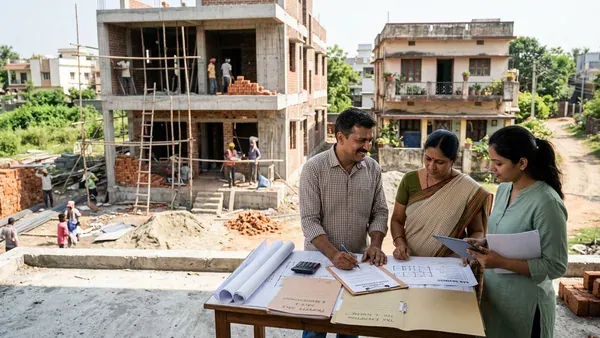
Section 54 of the Income Tax Act offers exemptions on long-term capital gains from selling residential property if the gains are reinvested in a new house within specified timelines. Construction can begin before selling the old property, but the new house must be completed within three years to qualify. Selling a property within two years results in short-term capital gains taxed at regular rates, while holding it longer allows for exemptions. However, selling the new property within three years can reverse the tax benefits.

Sentiment
50%
TBN's observations

First-hand measurement across 2 sources

We measured how 2 outlets covered this story. No outlet gave this story a measurable political slant — there is no left–right reading to report. Overall sentiment is neutral (50/100). Lens Score 36/100.

Outlets measured: mint, economictimes. See how each one headlined and framed the same story in the source comparison below.

AI analysis of 2 sources · Published under editorial oversight by The Balanced News
Analysed 19 Aug 2026· How this analysis is produced· Editorial standards· Corrections

AI Analysis

Sentiment — Neutral (50/100)

Sentiment was consistent across outlets (50–50/100), indicating broadly factual reporting rather than editorialising.

Coverage timeline

economictimes broke this story on 19 Aug, 04:25 am. Other outlets followed.

19 Aug, 04:25 am2 sources · 13 h19 Aug, 05:25 pm
AI analysis by the TBN Bias Engine · beat methodology byMrunal Wange· Business & Economy Editor· editorial standards byOjas Kale
← Previous
Target Shares Rise on Strong Q2 Sales and Raised Full-Year Outlook
Next →
Founder Shares Workplace Principles Emphasizing Performance Over Hours Worked
1
economictimes19 Aug, 04:25 am
Property Tax: Selling your property too early after buying it? 5 small mistakes can wipe out your tax savings - The date you sell your property decides how much tax you pay
  • 2
    mint19 Aug, 05:25 pm
    Building a new house before selling the old one: Does Section 54 tax exemption apply? Rules explained Mint
  • Who's involved

    Institutions and figures named across source coverage.

    Government
    Income Tax Department

    Story context

    Category
    Business
    Location
    India
    Sources analysed
    2
    Last analysed
    19 Aug 2026
    Key entities
    Tax exemptionCroreIndian rupeeIndiaHungarian forintStatuteCapital gainIncome tax in CanadaCapital gains taxIncome taxTax return (United States)Hinduism