Skip to content
Get the Balanced News app for a better experience!
The Balanced News Logo
Analytics
The Balanced News Logo

Stay Balanced, Stay Informed

Menu
  • Browse News
  • Underreported Stories
  • Curated Feeds
  • Insights
  • Analytics
  • Our Writers
  • About Us
  • Download App
Learn
  • How It Works
  • Bias Detection
  • Lens Score
  • Source Bias Checker
  • Accountability
  • Custom Feeds
Newsroom
  • Writers & Analysts
  • About TBN
  • Editorial Standards
  • Corrections Policy
  • Our Partners
  • Insights
Socials
  • Youtube
  • Instagram
  • X
  • Facebook
News Categories
  • Trending
  • Politics
  • Sports
  • Business
  • Tech
  • Entertainment
  • Health
  • Science
  • Crime
  • Lifestyle
  • National
  • International
  • Good News
  • Crypto

Get Our App

Available for iOS and Android


LensFeedsInsightsAnalyticsTrendingGood NewsSportsPoliticsBusinessCrimeTechEntertainmentHealthNationalInternational

© 2026 The Balanced News. All rights reserved.

About UsEditorial StandardsCorrectionsHelp & SupportPrivacy PolicyTerms & Conditions
AI Demand Drives Memory Supply Constraints and Price Increases Through 2027
Categories

Categories

Related Coverage

Select a news story to see related coverage from other media outlets.

Related Coverage

Select a news story to see related coverage from other media outlets.

  1. Home
  2. /
  3. Business

AI Demand Drives Memory Supply Constraints and Price Increases Through 2027

Reviewed byMrunal Wange· Business & Economy Editor· Edited byOjas Kale
Analysed 10 Jun 2026·2 sources analysed·New Delhi, India·Business
AI Demand Drives Memory Supply Constraints and Price Increases Through 2027PreviousNext

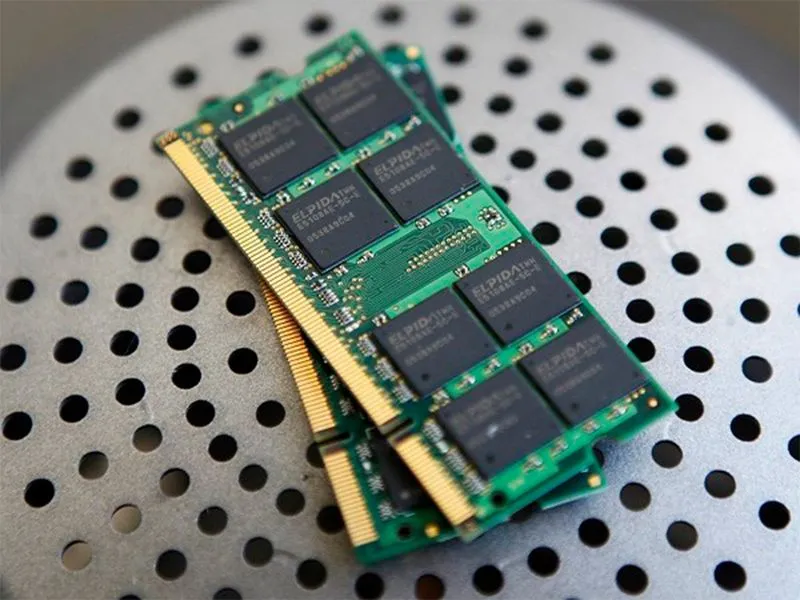
Memory storage is expected to remain a structural bottleneck through 2027 due to rising AI demand absorbing key components like DRAM, HBM, and enterprise SSDs. Despite a 30% expansion in DRAM wafer capacity, supply for smartphones, PCs, autos, and industrial markets may fall 12-15% short as suppliers prioritize high-margin AI-related memory. This shift, termed "chipflation" by Morgan Stanley, leads to sustained price increases and tighter access for non-AI buyers. Policy measures could ease pressure long-term, but near-term relief is unlikely amid ongoing US restrictions.

TBN's observations

First-hand measurement across 2 sources

We measured how 2 outlets covered this story. Coverage leans balanced overall (Left 0%, Centre 100%, Right 0%). Overall sentiment is neutral (42/100). Lens Score 28/100 — low public interest.

Outlets analysed (first-hand measurement by TBN's Bias Engine):

  • economictimes— balanced framing, neutral sentiment
  • thetribune— balanced framing, neutral sentiment
Political Bias
0%100%0%
Sentiment
42%
AI analysis of 2 sources · Published under editorial oversight by The Balanced News
Analysed 10 Jun 2026· How this analysis is produced· Editorial standards· Corrections

AI Analysis

Political bias across 2 sources
● Left 0%● Center 100%● Right 0%

The articles primarily present an economic and industry-focused perspective, emphasizing market dynamics and policy impacts without partisan framing. They reference US and China policy environments neutrally, highlighting regulatory influences on supply without attributing blame or praise. The coverage reflects viewpoints from financial analysts and industry observers, maintaining a factual tone without political bias.

Sentiment — Neutral (42/100)

The overall tone is neutral to cautiously concerned, focusing on supply challenges and price pressures in the memory market due to AI demand. While the situation is described as a bottleneck with rising costs, the articles avoid alarmist language, instead presenting measured analysis of market trends and potential policy responses. The sentiment balances recognition of challenges with acknowledgment of possible long-term solutions.

How 2 sources covered this story

← Previous
Indian Tech Professional in US Shares Income and Spending Habits
Next →
Shankar Sharma Questions Equity Returns Compared to Fixed Deposits for Retail Investors

Each source's own headline, political lean, and sentiment — so you can see framing differences at a glance.

SourceTheir headlineBiasSentiment
economictimesAI demand to keep memory tight through 2027, chipflation to squeeze consumer hardware and cloud costsCenterNeutral
thetribuneAI demand to keep memory tight through 2027, chipflation to squeeze consumer hardware and cloud costs - The TribuneCenterNeutral

Coverage timeline

thetribune broke this story on 10 Jun, 06:29 am. Other outlets followed.

  1. 1
    thetribune10 Jun, 06:29 am
    AI demand to keep memory tight through 2027, chipflation to squeeze consumer hardware and cloud costs - The Tribune
  2. 2
    economictimes10 Jun, 07:23 am
    AI demand to keep memory tight through 2027, chipflation to squeeze consumer hardware and cloud costs

Lens Score breakdown

28/100
Public interest0/100
Coverage gap100%

Well-covered story — coverage matches public importance.

Who's involved

Institutions and figures named across source coverage.

Government
US GovernmentChinese Government
Corporate
Cloud BuyersMemory Chip ProducersOEMs

Story context

Category
Business
Location
New Delhi, India
Sources analysed
2
Last analysed
10 Jun 2026
Key entities
High Bandwidth MemoryDynamic random-access memoryArtificial intelligenceBottleneck (engineering)Wafer (electronics)Supply chainCloud computingSolid-state driveServer (computing)Morgan StanleySmartphonePersonal computer