Gulf Tensions Disrupt Global Travel Patterns Amid Resilient Demand: McKinsey Report
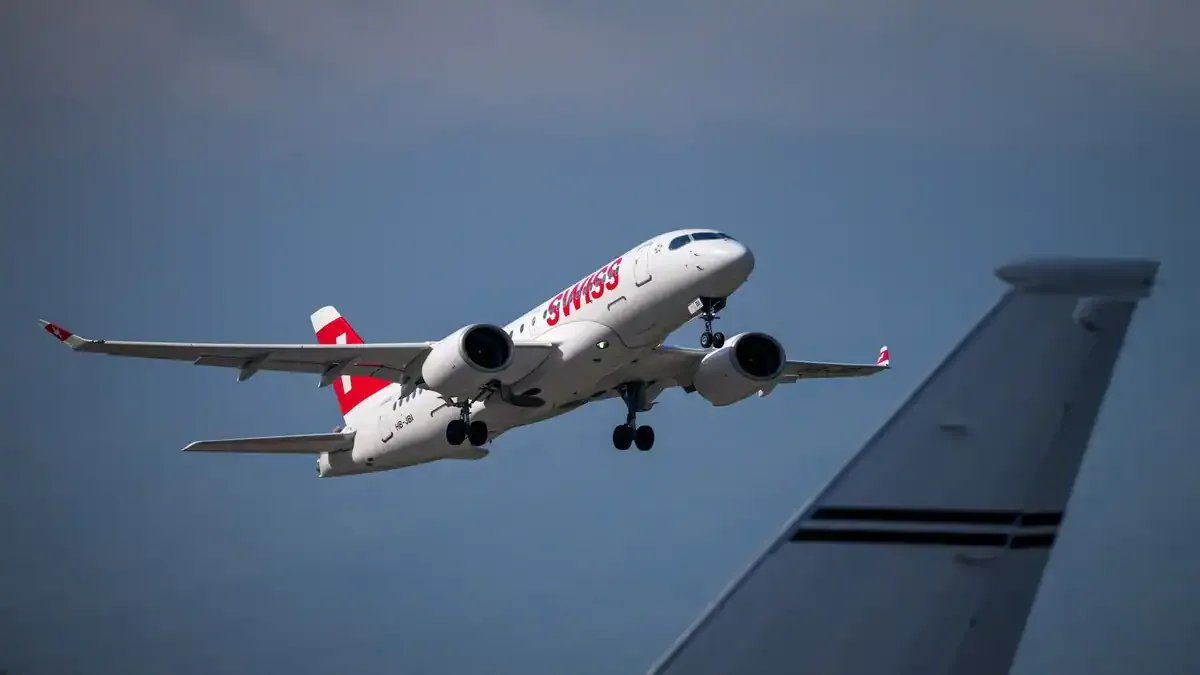
Geopolitical tensions in the Gulf region are disrupting global travel routes, affecting airline operations and tourism markets worldwide, according to a McKinsey report. Despite challenges like disrupted air corridors, rising fuel costs, and weaker connectivity, global travel demand remains resilient, though some travelers delay bookings amid airfare concerns. Gulf economies, especially Dubai, face significant declines in hotel revenues, with a 75% year-on-year drop equating to a $1.8 billion loss. The impact extends to destinations reliant on Gulf transit hubs, such as Seychelles and Maldives.
First-hand measurement across 3 sources
We measured how 3 outlets covered this story. Coverage leans balanced overall (Left 0%, Centre 100%, Right 0%). Overall sentiment is neutral (55/100). Lens Score 25/100 — low public interest.
Outlets analysed (first-hand measurement by TBN's Bias Engine):
- firstpost— balanced framing, neutral sentiment
- news18— balanced framing, neutral sentiment
- thetribune— balanced framing, neutral sentiment
AI Analysis
The article group presents a largely neutral perspective focused on economic and operational impacts of Gulf geopolitical tensions on global travel. It includes viewpoints from industry reports without political commentary or partisan framing. The coverage emphasizes factual disruptions and market responses, reflecting business and travel sector concerns rather than political analysis.
The overall tone across the articles is measured and factual, highlighting challenges like disrupted routes and revenue losses while noting continued travel demand. The sentiment is mixed but balanced, acknowledging both the negative effects of geopolitical tensions and the resilience of consumer interest in travel, without sensationalism or alarm.
How 3 sources covered this story
Each source's own headline, political lean, and sentiment — so you can see framing differences at a glance.