India's Steel Growth and Impact of EU's Carbon Border Tax on Exports
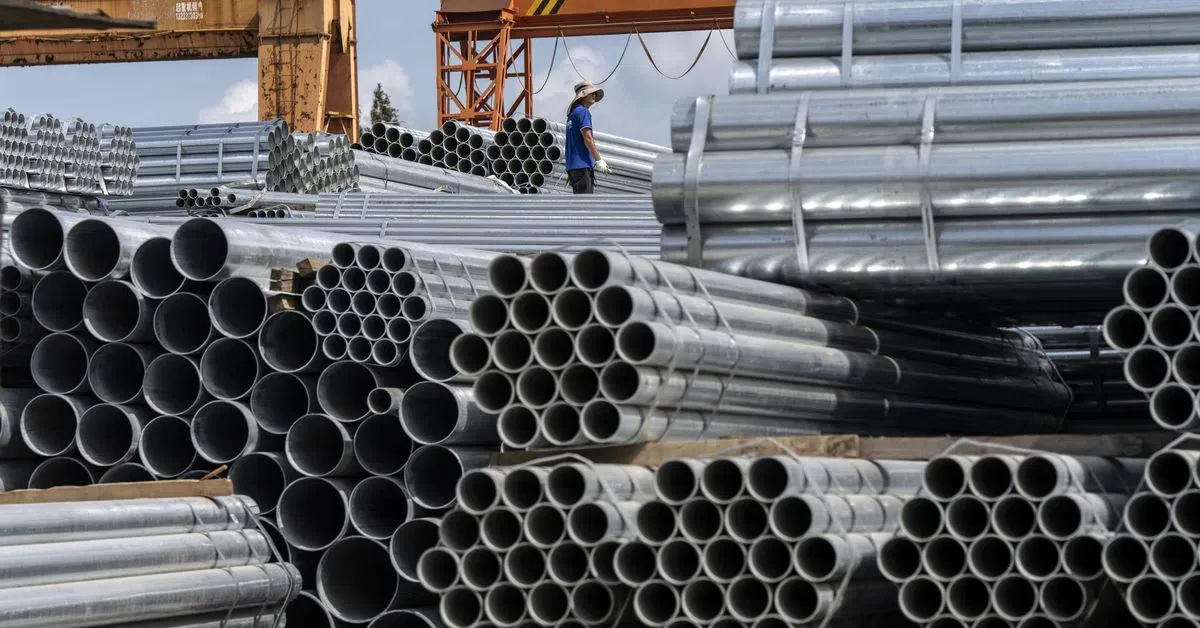
India has become the world's second-largest steel producer, with crude steel output rising from 28 million tonnes in 2002 to 152 million tonnes in 2025, driven by strong domestic demand and urbanisation. However, India still imports speciality steel for niche sectors. Concurrently, the European Union's Carbon Border Adjustment Mechanism (CBAM), a carbon tax on imports of carbon-intensive goods like steel, is impacting Indian exporters. The Indian government plans to subsidize 90% of CBAM compliance costs for MSMEs as similar carbon border taxes emerge globally.
First-hand measurement across 2 sources
We measured how 2 outlets covered this story. Coverage leans balanced overall (Left 10%, Centre 85%, Right 5%). Overall sentiment is neutral (65/100). Lens Score 30/100 — low public interest.
Outlets analysed (first-hand measurement by TBN's Bias Engine):
- indianexpress— balanced framing, positive sentiment
- businessstandard— balanced framing, neutral sentiment
AI Analysis
The articles present a primarily economic and policy-focused perspective without evident political bias. They highlight India's industrial growth and government measures addressing international trade challenges. The coverage includes government initiatives and industry data, reflecting a neutral stance on policy impacts and trade dynamics without partisan framing.
The overall tone is informative and neutral, emphasizing India's steel industry achievements alongside emerging challenges from international carbon taxes. The coverage balances positive aspects of growth with the practical concerns of exporters facing new compliance costs, avoiding emotive or sensational language.
How 2 sources covered this story
Each source's own headline, political lean, and sentiment — so you can see framing differences at a glance.