1 hour agoBusiness
34LENS
2 SourcesBasel, Switzerland
 thebalanced.news
U.S. Regulators Propose Easing Bank Capital Rules to Boost Lending
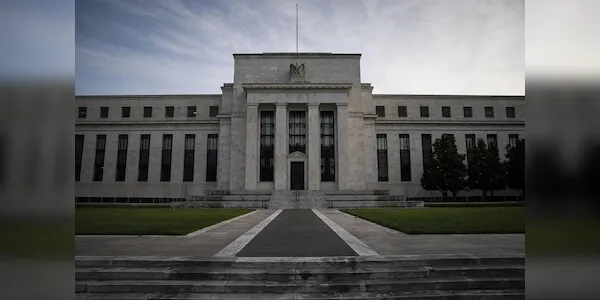
U.S. bank regulators, including the Federal Reserve, FDIC, and OCC, proposed easing capital requirements for Wall Street and regional banks, potentially reducing capital levels by around 5%. The changes aim to free billions for lending, dividends, and share buybacks while maintaining a robust capital framework. The proposals, subject to a 90-day public consultation, represent significant adjustments to post-2008 financial crisis rules, drawing both industry support and criticism over potential risks to financial stability.
Political Bias
10%85%5%
Sentiment
58%
20 stories available
View AI Analysis
Bias Analysis: The articles present perspectives from regulatory officials emphasizing the safety and soundness of the banking system under the new rules, alongside industry viewpoints highlighting the benefits of reduced capital requirements. Critics' concerns about potential risks are noted but less emphasized. Overall, the coverage reflects a balance between regulatory intentions, industry interests, and cautionary views without favoring any political ideology.
Sentiment: The tone across the articles is mixed, combining positive aspects such as increased lending capacity and regulatory confidence with negative concerns about weakening financial safeguards amid rising risks. The coverage acknowledges the regulatory effort as a significant policy shift while recognizing ongoing debates about its implications, resulting in a nuanced sentiment.
Lens Score: 34/100 — Story is well-covered by media outlets. Public interest: 0/100. Coverage gap: 100%.
Related Coverage
Select a news story to see related coverage from other media outlets.