Skip to content
Get the Balanced News app for a better experience!
The Balanced News Logo
Analytics
The Balanced News Logo

Stay Balanced, Stay Informed

Menu
  • Browse News
  • Underreported Stories
  • Curated Feeds
  • Insights
  • Analytics
  • Our Writers
  • About Us
  • Download App
Learn
  • How It Works
  • Bias Detection
  • Lens Score
  • Source Bias Checker
  • Accountability
  • Custom Feeds
Newsroom
  • Writers & Analysts
  • About TBN
  • Editorial Standards
  • Corrections Policy
  • Our Partners
  • Insights
Socials
  • Youtube
  • Instagram
  • X
  • Facebook
News Categories
  • Trending
  • Politics
  • Sports
  • Business
  • Tech
  • Entertainment
  • Health
  • Science
  • Crime
  • Lifestyle
  • National
  • International
  • Good News
  • Crypto

Get Our App

Available for iOS and Android


LensFeedsInsightsAnalyticsTrendingGood NewsSportsPoliticsBusinessCrimeTechEntertainmentHealthNationalInternational

© 2026 The Balanced News. All rights reserved.

About UsEditorial StandardsCorrectionsHelp & SupportPrivacy PolicyTerms & Conditions
India Reviews Proposal to Introduce Polymer Banknotes Amid Durability and Cost Considerations
Categories

Categories

Related Coverage

Select a news story to see related coverage from other media outlets.

Related Coverage

Select a news story to see related coverage from other media outlets.

  1. Home
  2. /
  3. Business

India Reviews Proposal to Introduce Polymer Banknotes Amid Durability and Cost Considerations

Analysed 21 Jul 2026·2 sources analysed·India·Business
India Reviews Proposal to Introduce Polymer Banknotes Amid Durability and Cost ConsiderationsPreviousNext

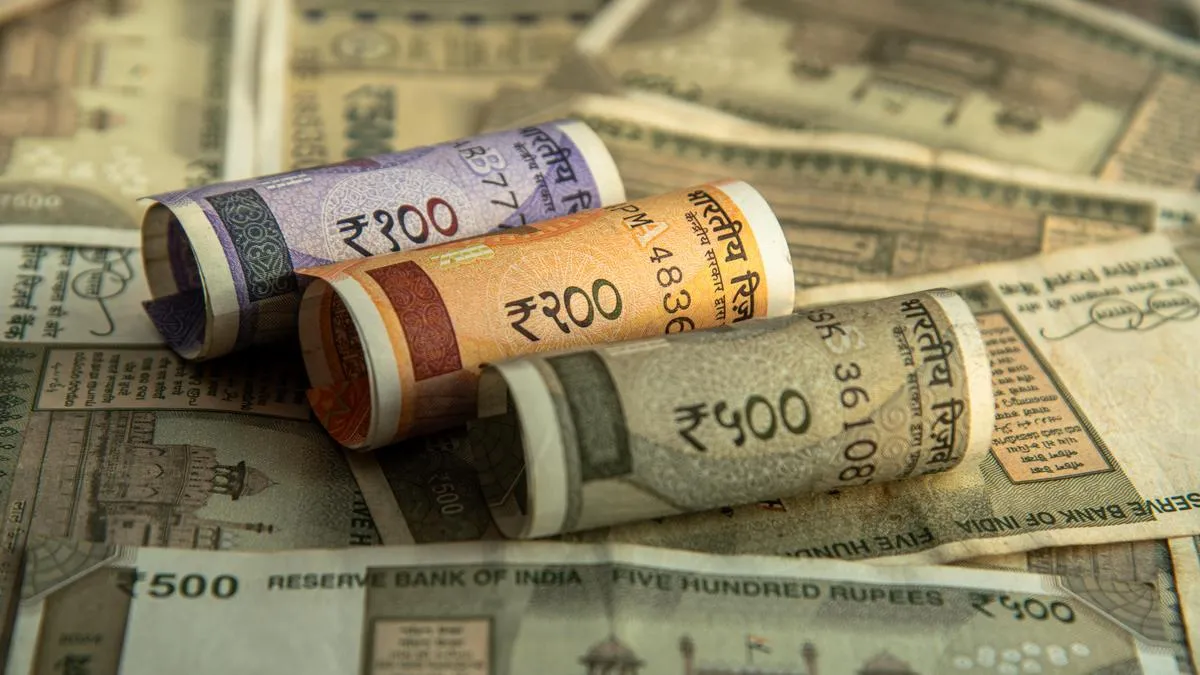
India is considering introducing polymer banknotes, a move signaled by the Reserve Bank of India's currency printing arm inviting global bids for polymer substrates with embedded security features. Polymer notes, made from durable plastic, last longer and may reduce replacement costs despite higher production expenses. The proposal remains under review, with no final decision or launch date announced. This shift would modernize India's currency system, aligning it with over 60 countries using polymer notes, while addressing durability and security concerns.

Sentiment
54%
TBN's observations

First-hand measurement across 2 sources

We measured how 2 outlets covered this story. No outlet gave this story a measurable political slant — there is no left–right reading to report. Overall sentiment is neutral (54/100). Lens Score 46/100.

Outlets measured: thehindu, zeenews. See how each one headlined and framed the same story in the source comparison below.

AI analysis of 2 sources · Published under editorial oversight by The Balanced News
Analysed 21 Jul 2026· How this analysis is produced· Editorial standards· Corrections

AI Analysis

Sentiment — Neutral (54/100)

Sentiment was consistent across outlets (52–55/100), indicating broadly factual reporting rather than editorialising.

Coverage timeline

zeenews broke this story on 21 Jul, 05:38 am. Other outlets followed.

21 Jul, 05:38 am2 sources · 3 h21 Jul, 08:10 am
  1. 1
AI analysis by the TBN Bias Engine · beat methodology byMrunal Wange· Business & Economy Editor· editorial standards byOjas Kale
← Previous
Brazil's Pix Payment System Draws U.S. Trade Concerns Amid Global Interest
Next →
Parliamentary Panel Urges CCI Reforms; CCI Dismisses Jindal Stainless Antitrust Complaint
zeenews21 Jul, 05:38 am
As UPI grows, why is RBI investing in polymer banknotes? Expert explains
  • 2
    thehindu21 Jul, 08:10 am
    India's plastic currency crush
  • Who's involved

    Institutions and figures named across source coverage.

    Government
    Reserve Bank of IndiaMinistry of FinanceBharatiya Reserve Bank Note Mudran Private Limited
    Corporate
    Indian Oil CorporationReliance Industries

    Story context

    Category
    Business
    Location
    India
    Sources analysed
    2
    Last analysed
    21 Jul 2026
    Key entities
    PolymerPlasticRun batted inCurrencyIndian rupeeIndiaBanknoteReserve Bank of IndiaUnited Press InternationalPolypropyleneCroreLife-cycle assessment