Skip to content
Get the Balanced News app for a better experience!
The Balanced News Logo
Analytics
The Balanced News Logo

Stay Balanced, Stay Informed

Menu
  • Browse News
  • Underreported Stories
  • Curated Feeds
  • Insights
  • Analytics
  • Our Writers
  • About Us
  • Download App
Learn
  • How It Works
  • Bias Detection
  • Lens Score
  • Source Bias Checker
  • Accountability
  • Custom Feeds
Newsroom
  • Writers & Analysts
  • About TBN
  • Editorial Standards
  • Corrections Policy
  • Our Partners
  • Insights
Socials
  • Youtube
  • Instagram
  • X
  • Facebook
News Categories
  • Trending
  • Politics
  • Sports
  • Business
  • Tech
  • Entertainment
  • Health
  • Science
  • Crime
  • Lifestyle
  • National
  • International
  • Good News
  • Crypto

Get Our App

Available for iOS and Android


LensFeedsInsightsAnalyticsTrendingGood NewsSportsPoliticsBusinessCrimeTechEntertainmentHealthNationalInternational

© 2026 The Balanced News. All rights reserved.

About UsEditorial StandardsCorrectionsHelp & SupportPrivacy PolicyTerms & Conditions
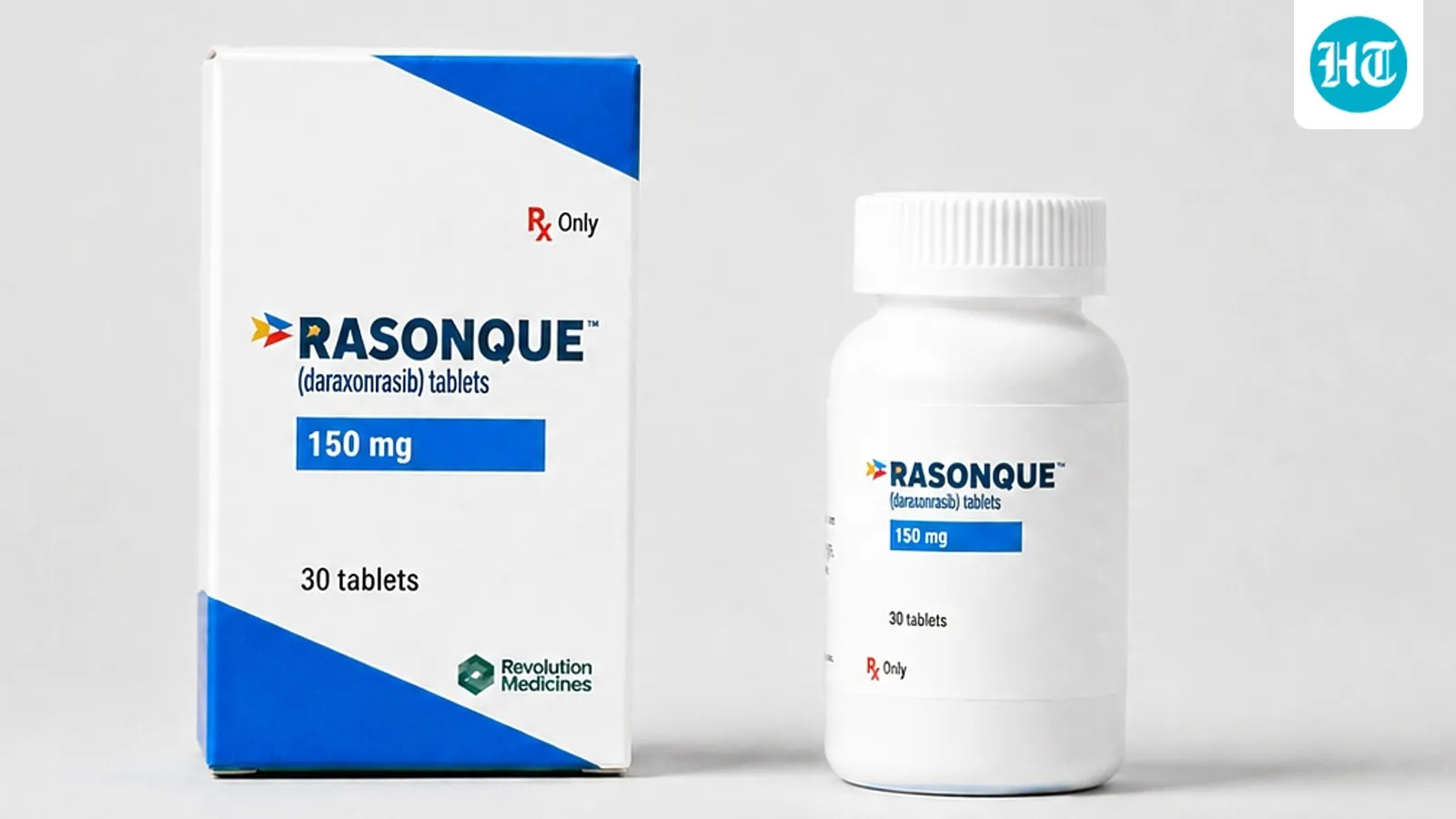
US FDA Approves Rasonque, First Drug Targeting Key Pancreatic Cancer Mutation
Categories

Categories

Related Coverage

Select a news story to see related coverage from other media outlets.

Related Coverage

Select a news story to see related coverage from other media outlets.

  1. Home
  2. /
  3. Business

US FDA Approves Rasonque, First Drug Targeting Key Pancreatic Cancer Mutation

Analysed 27 Aug 2026·2 sources analysed·Business
US FDA Approves Rasonque, First Drug Targeting Key Pancreatic Cancer MutationPreviousNext

The US Food and Drug Administration has approved Rasonque (daraxonrasib), the first drug targeting the molecular cause of most pancreatic cancers. Clinical trials showed it nearly doubled median survival to 13.2 months from 6.7 months compared to standard chemotherapy. Approved for adults with metastatic pancreatic ductal adenocarcinoma who have had prior systemic therapy or cannot tolerate chemotherapy, Rasonque blocks the RAS protein, a key driver in over 90% of these cancers. Side effects include rash and mouth sores.

Sentiment
75%
TBN's observations

First-hand measurement across 2 sources

We measured how 2 outlets covered this story. No outlet gave this story a measurable political slant — there is no left–right reading to report. Overall sentiment is positive (75/100). Lens Score 44/100.

Outlets measured: hindustantimes, moneycontrol. See how each one headlined and framed the same story in the source comparison below.

AI analysis of 2 sources · Published under editorial oversight by The Balanced News
Analysed 27 Aug 2026· How this analysis is produced· Editorial standards· Corrections

AI Analysis

Sentiment — Positive (75/100)

Sentiment was consistent across outlets (75–75/100), indicating broadly factual reporting rather than editorialising.

Coverage timeline

moneycontrol broke this story on 26 Aug, 04:27 pm. Other outlets followed.

26 Aug, 04:27 pm2 sources · 13 h27 Aug, 05:27 am
AI analysis by the TBN Bias Engine · beat methodology byMrunal Wange· Business & Economy Editor· editorial standards byOjas Kale
← Previous
Real-Time Stock Updates and Analysis for Tata Steel, JSW Steel, and Tata Consumer
Next →
Hazoor Multi Projects Secures Rs 193.85 Crore NHAI Toll Collection Contract in Tamil Nadu
1
moneycontrol26 Aug, 04:27 pm
US FDA approves Revolution Medicines' pancreatic cancer drug Rasonque- Moneycontrol.com
  • 2
    hindustantimes27 Aug, 05:27 am
    Rasonque gets US nod: The pill that nearly doubles pancreatic cancer survival -- and is set to 475,000 a year
  • Who's involved

    Institutions and figures named across source coverage.

    Government
    United States Food and Drug Administration
    Corporate
    Revolution MedicinesRevolution Medicines Inc.

    Story context

    Category
    Business
    Sources analysed
    2
    Last analysed
    27 Aug 2026
    Key entities
    Pancreatic cancerChemotherapyCancerMetastasisFood and Drug AdministrationTherapyMedicineMutationRussian Academy of SciencesFive-year survival rateProteinAmerican Cancer Society