India Advances Clean Energy with Growing Solar Demand and Grid Optimization Challenges
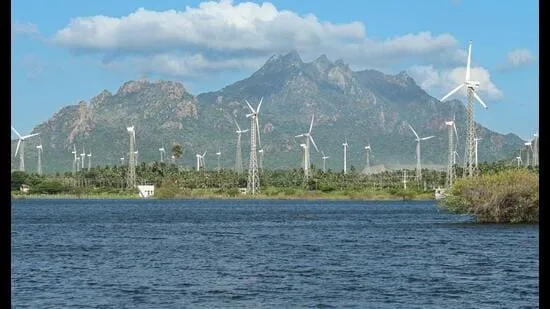
India's clean energy transition is advancing with over 283 GW of non-fossil fuel capacity and a growing focus on decentralised solutions to support rural development. Challenges remain in optimizing grid intelligence and operational efficiency for renewable assets. Solar demand is projected to surge at a 22% CAGR through 2035, driven by data center expansion and urbanisation. Regions like Lucknow lead in rooftop solar adoption through coordinated local efforts, highlighting diverse approaches to achieving energy security and sustainability goals.
First-hand measurement across 5 sources
We measured how 5 outlets covered this story. Coverage leans balanced overall (Left 8%, Centre 86%, Right 6%). Overall sentiment is positive (73/100). Lens Score 25/100 — low public interest.
Outlets analysed (first-hand measurement by TBN's Bias Engine):
- hindustantimes— balanced framing, positive sentiment
- theprint— balanced framing, positive sentiment
- indiatoday— balanced framing, neutral sentiment
- economictimes— balanced framing, positive sentiment
- thetribune— balanced framing, positive sentiment
AI Analysis
The article group presents a range of perspectives emphasizing India's renewable energy progress and challenges without partisan framing. Government achievements and policy targets are highlighted alongside expert insights on grid management and decentralised energy. Regional successes and economic drivers are noted, reflecting a balanced view of national ambitions and practical implementation issues across stakeholders.
Coverage across the articles is generally positive, focusing on India's renewable capacity growth, technological advancements, and rising solar demand. However, it also acknowledges operational inefficiencies and the need for smarter grid management, providing a nuanced tone that balances optimism with recognition of ongoing challenges in the energy transition.
How 5 sources covered this story
Each source's own headline, political lean, and sentiment — so you can see framing differences at a glance.