India Advances Semiconductor Ecosystem with Investments, Startups, and Talent Development
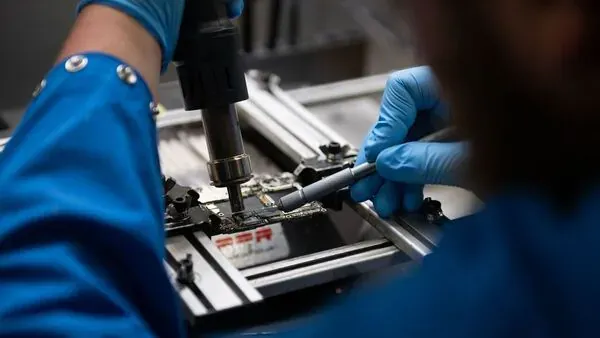
India is advancing its semiconductor ecosystem through strategic investments, government incentives, and talent development initiatives. Tata Electronics' $11 billion chip fabrication project in Gujarat, supported by a key MoU with ASML, marks a significant industrial milestone. Semiconductor startups raised $92 million in early 2026, aided by the government's Design-Linked Incentive scheme. Meanwhile, Chip Camp fosters skilled engineers to support India's growing demand for advanced chips in sectors like AI, telecommunications, and defense.
First-hand measurement across 3 sources
We measured how 3 outlets covered this story. Coverage leans balanced overall (Left 7%, Centre 88%, Right 5%). Overall sentiment is positive (75/100). Lens Score 32/100 — low public interest.
Outlets analysed (first-hand measurement by TBN's Bias Engine):
- mint— balanced framing, positive sentiment
- economictimes— balanced framing, positive sentiment
- economictimes— balanced framing, positive sentiment
AI Analysis
The articles collectively present a largely neutral perspective focused on India's semiconductor industry growth, highlighting government initiatives, private sector investments, and educational efforts. They emphasize economic and strategic motivations without partisan framing, reflecting a consensus on the importance of building domestic capabilities amid global supply chain concerns.
The overall tone across the articles is positive, emphasizing progress and opportunity in India's semiconductor sector. Coverage highlights successful investments, supportive government policies, and community-driven talent development, portraying an optimistic outlook on India's potential to become a significant player in the global chip industry.
How 3 sources covered this story
Each source's own headline, political lean, and sentiment — so you can see framing differences at a glance.