India's Auto Component Industry Grows 12.7% in FY26 Amid Rising Imports and Trade Challenges
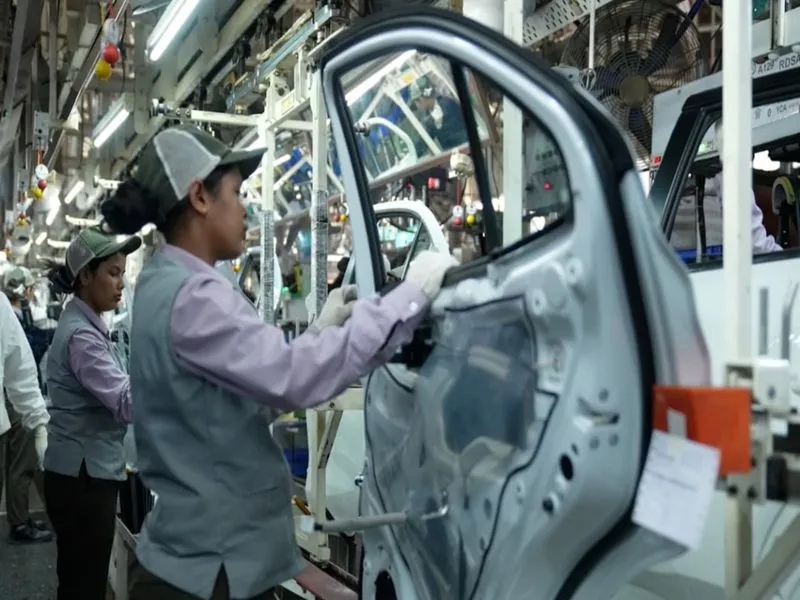
India's auto component industry grew 12.7% in FY26, driven by a 16.3% rise in OEM supplies and a 9% expansion in the aftermarket segment. Exports increased 5%, led by shipments to Europe and the U.S., while imports rose 13%, mainly from China, resulting in a $1.37 billion trade deficit. Growth prospects for FY27 are projected at 8-10%, supported by domestic demand, infrastructure development, and government initiatives. Challenges include geopolitical tensions, tariff investigations by the U.S., labor shortages, and rising raw material costs. The industry is exploring automation and EV technologies to enhance competitiveness.
First-hand measurement across 6 sources
We measured how 6 outlets covered this story. Coverage leans balanced overall (Left 4%, Centre 92%, Right 4%). Overall sentiment is positive (66/100). Lens Score 30/100 — low public interest.
Outlets analysed (first-hand measurement by TBN's Bias Engine):
- economictimes— balanced framing, neutral sentiment
- mint— balanced framing, neutral sentiment
- economictimes— balanced framing, positive sentiment
- economictimes— balanced framing, positive sentiment
- thetribune— balanced framing, neutral sentiment
- news18— balanced framing, positive sentiment
AI Analysis
The article group presents a range of perspectives primarily from industry representatives and official bodies like ACMA, focusing on economic growth, trade dynamics, and policy impacts. It includes views on government initiatives, trade negotiations with the U.S., and geopolitical challenges without partisan framing. The coverage balances optimism about growth and investment opportunities with concerns over tariffs, labor issues, and import dependence, reflecting a neutral economic and policy-oriented discourse.
The overall sentiment across the articles is mixed but largely constructive. Positive tones highlight strong industry growth, expanding exports, and technological advancements. However, caution is expressed regarding trade deficits, tariff investigations, labor shortages, and geopolitical uncertainties. The coverage maintains a professional and factual tone, acknowledging both opportunities and challenges facing the sector without sensationalism.