G7 Leaders Announce Measures to Strengthen Critical Minerals Supply Chain Resilience
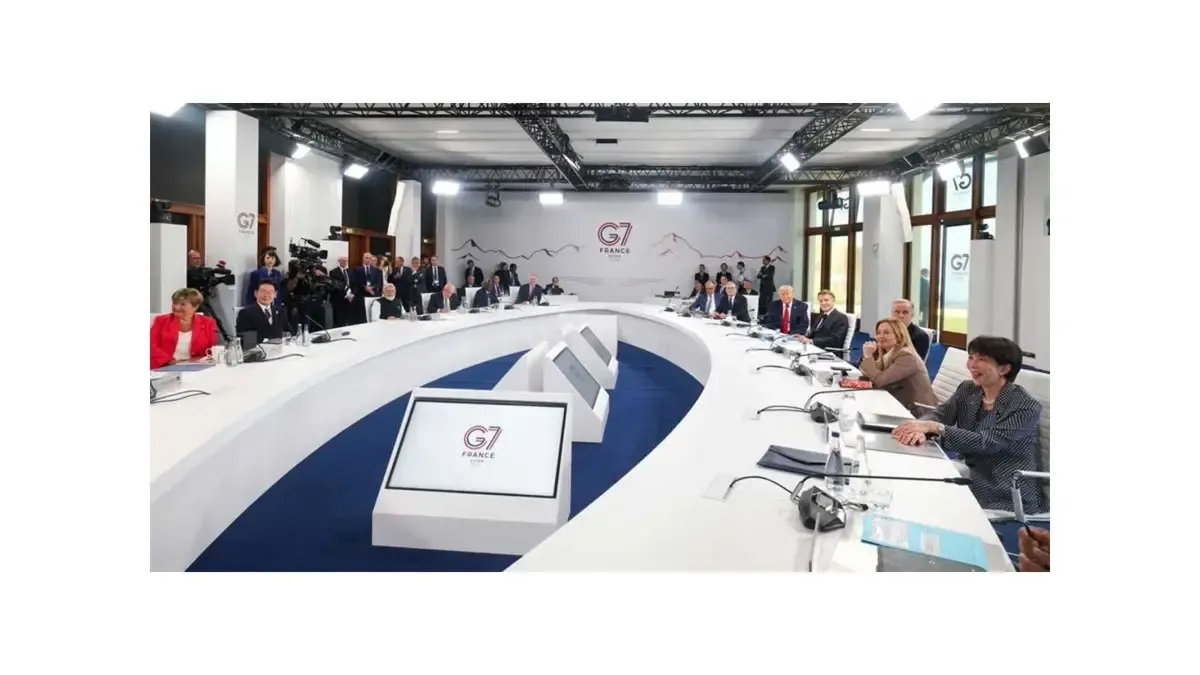
G7 leaders unveiled a joint declaration to enhance the resilience of critical minerals supply chains, expressing concern over non-market policies and economic coercion, particularly by China. They committed to diversifying supply chains, reducing dependence on single suppliers outside G7 and partners to below 60% by 2030, and strengthening domestic production, processing, and recycling. Discussions also addressed economic imbalances and efforts to build alternative supply chains amid China's dominant position in rare earths and related materials.
First-hand measurement across 3 sources
We measured how 3 outlets covered this story. Coverage leans balanced overall (Left 3%, Centre 94%, Right 3%). Overall sentiment is neutral (60/100). Lens Score 37/100 — moderate-to-low public interest.
Outlets analysed (first-hand measurement by TBN's Bias Engine):
- republicworld— balanced framing, positive sentiment
- thetribune— balanced framing, neutral sentiment
- theprint— balanced framing, neutral sentiment
AI Analysis
The article group presents perspectives emphasizing G7 concerns about China's trade practices and economic influence, reflecting Western geopolitical and economic interests. Sources highlight efforts to reduce reliance on China and promote supply chain diversification, with some noting internal disagreements among G7 members on implementation. The framing centers on economic sovereignty and trade imbalances without overt partisan language, representing primarily Western policy viewpoints.
The overall tone is cautiously proactive, focusing on strategic responses to supply chain vulnerabilities. Coverage conveys concern about economic coercion and dependency risks but also highlights collaborative commitments and planned initiatives. The sentiment is mixed, balancing apprehension about current challenges with a constructive outlook on diversification and resilience-building efforts.