3 hours agoBusiness
29LENS
2 SourcesQatar
 thebalanced.news
Global LNG Exports Decline to Six-Month Low Amid West Asia Conflict Disruptions
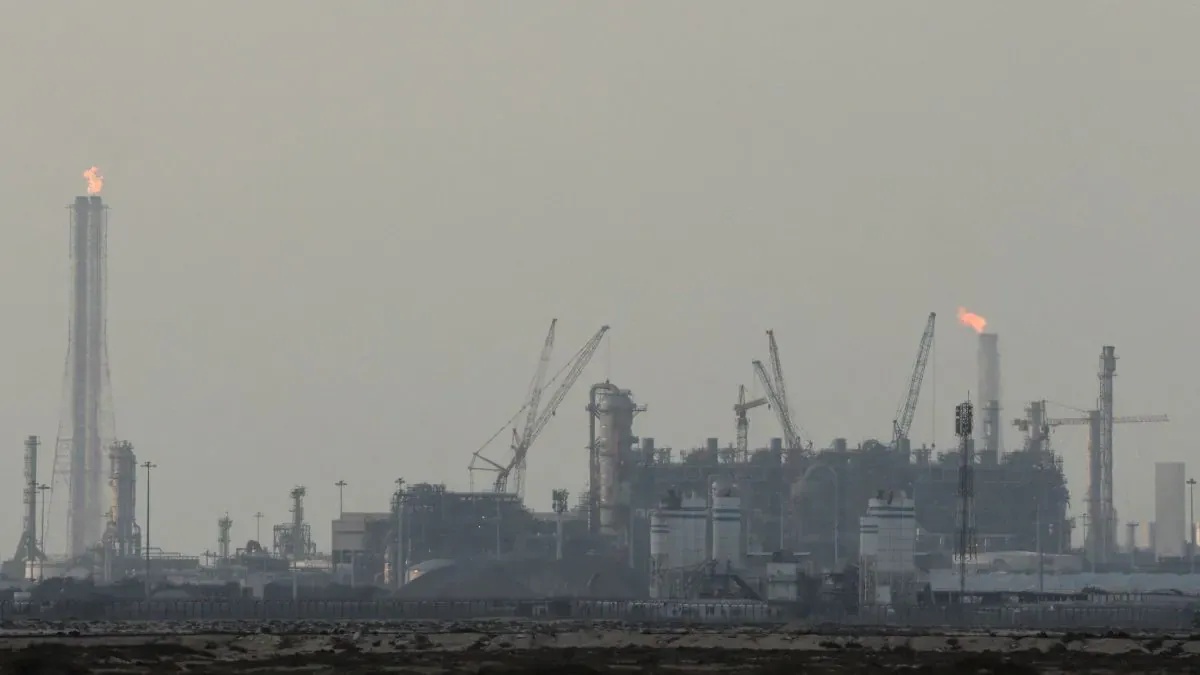
Global liquefied natural gas (LNG) exports have fallen to a six-month low, declining about 20% to 1.1 million tonnes daily, due to disruptions from the escalating conflict in West Asia. The Strait of Hormuz, a critical transit route handling around 20% of LNG trade, faces near-disruption, impacting shipments primarily from Qatar and the United Arab Emirates. Qatar's Ras Laffan LNG facility, the world's largest, was shut and damaged by attacks linked to Iran, with some production units expected offline for years, offsetting recent output gains from the US and Canada.
Political Bias
5%93%2%
Sentiment
30%
21 stories available
View AI Analysis
Bias Analysis: The articles present a primarily factual account focusing on the impact of the West Asia conflict on LNG exports, highlighting disruptions linked to Iran without assigning blame. They include perspectives on regional tensions affecting supply routes and production facilities, reflecting geopolitical complexities without partisan framing. The coverage centers on economic and logistical effects rather than political narratives.
Sentiment: The tone across the articles is neutral to cautious, emphasizing the negative impact of the conflict on global LNG supply without sensationalism. The coverage notes supply constraints and market tightening but avoids emotive language, maintaining an informative and measured approach to the unfolding situation.
Lens Score: 29/100 — Story is well-covered by media outlets. Public interest: 0/100. Coverage gap: 100%.
Related Coverage
Select a news story to see related coverage from other media outlets.