Air India Launches Optional 'Basic' Economy Fare Without Complimentary Meals on Select Routes
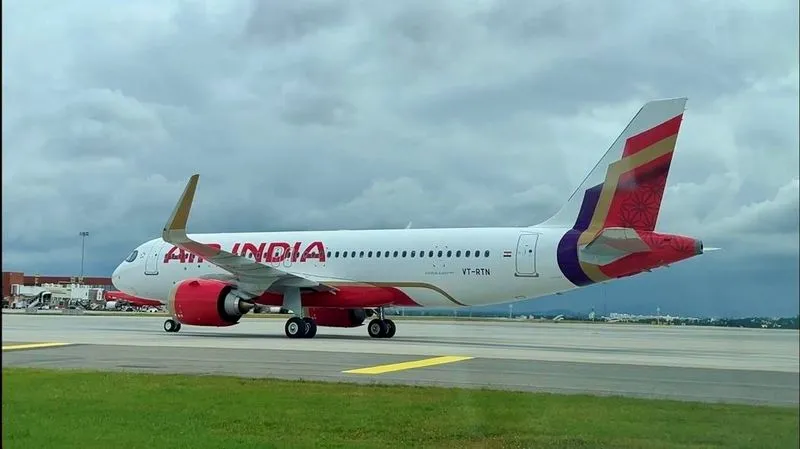
Air India has introduced a new 'Basic' fare category on select domestic routes as a pilot, offering a lower-cost Economy Class option without complimentary meals but including 15 kg checked baggage, 7 kg cabin baggage, and free tea or coffee. Passengers can pre-purchase meals up to 24 hours before departure with various dietary options. This fare adds to the existing Value, Classic, and Flex categories, which continue to include meals and additional benefits. The airline will evaluate customer feedback before deciding on wider implementation.
First-hand measurement across 9 sources
We measured how 9 outlets covered this story. Coverage leans balanced overall (Left 0%, Centre 100%, Right 0%). Overall sentiment is neutral (60/100). Lens Score 31/100 — low public interest.
Outlets analysed (first-hand measurement by TBN's Bias Engine):
- english— balanced framing, neutral sentiment
- thefinancialexpress— balanced framing, neutral sentiment
- ndtv— balanced framing, positive sentiment
- mint— balanced framing, neutral sentiment
- firstpost— balanced framing, neutral sentiment
- thetelegraph— balanced framing, neutral sentiment
- news18— balanced framing, neutral sentiment
- economictimes— balanced framing, neutral sentiment
AI Analysis
The article group presents a largely neutral business and consumer perspective, focusing on Air India's operational and pricing strategy amid rising costs. Coverage includes the airline's rationale and customer choice emphasis, with no partisan political framing. Sources highlight both the airline's financial challenges and the added flexibility for price-sensitive travelers, reflecting balanced reporting without ideological bias.
The overall tone across the articles is neutral to mildly positive, emphasizing the introduction of a new fare option as a consumer choice rather than a cost-cutting measure. While some sources note operational challenges and potential passenger confusion, the coverage generally frames the move as a pragmatic response to market demands and rising expenses, without strong criticism or praise.