Bitcoin Declines Amid Economic Pressures and Geopolitical Tensions in 2026
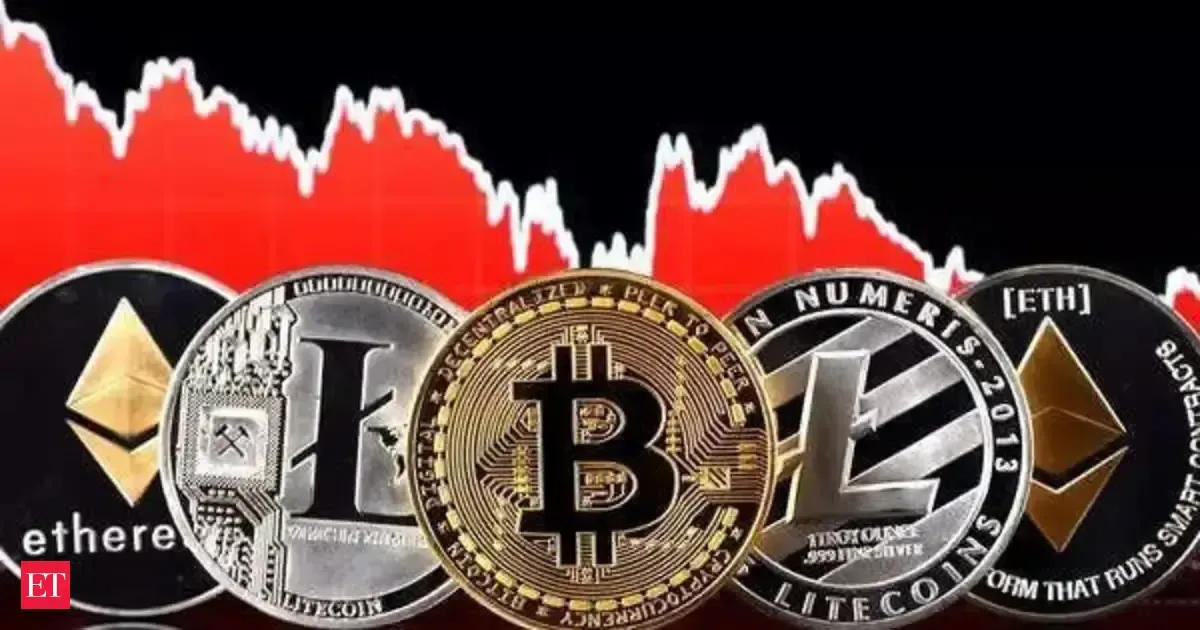
Bitcoin has experienced a nearly 50% decline from its October 2025 peak, driven mainly by broader economic factors such as inflation, a strong US dollar, and geopolitical tensions including the US-Iran conflict. Unlike previous crashes linked to industry failures, this selloff reflects market sentiment and macroeconomic pressures. Recent price fluctuations also respond to geopolitical developments and upcoming US economic data, while investors increasingly consider cryptocurrencies as potential hedges amid rising global uncertainties.
First-hand measurement across 3 sources
We measured how 3 outlets covered this story. Coverage leans balanced overall (Left 0%, Centre 100%, Right 0%). Overall sentiment is neutral (57/100). Lens Score 23/100 — low public interest.
Outlets analysed (first-hand measurement by TBN's Bias Engine):
- economictimes— balanced framing, neutral sentiment
- economictimes— balanced framing, neutral sentiment
- english— balanced framing, positive sentiment
AI Analysis
The articles present a range of perspectives focusing on economic and geopolitical factors affecting Bitcoin without endorsing any political stance. Coverage includes government-related developments like US-Iran ceasefire talks and Federal Reserve decisions, reflecting mainstream economic and geopolitical viewpoints. The framing remains neutral, emphasizing market dynamics and investor behavior rather than political judgments.
The overall tone is mixed, combining concern over significant Bitcoin price declines with cautious optimism linked to geopolitical ceasefire hopes and potential economic data impacts. While acknowledging market volatility and investor fear, the coverage also highlights resilience factors and the evolving role of cryptocurrencies as hedges, resulting in a balanced sentiment that neither overly pessimistic nor optimistic.