India Plans to Reduce Import Dependence by Boosting Domestic Manufacturing
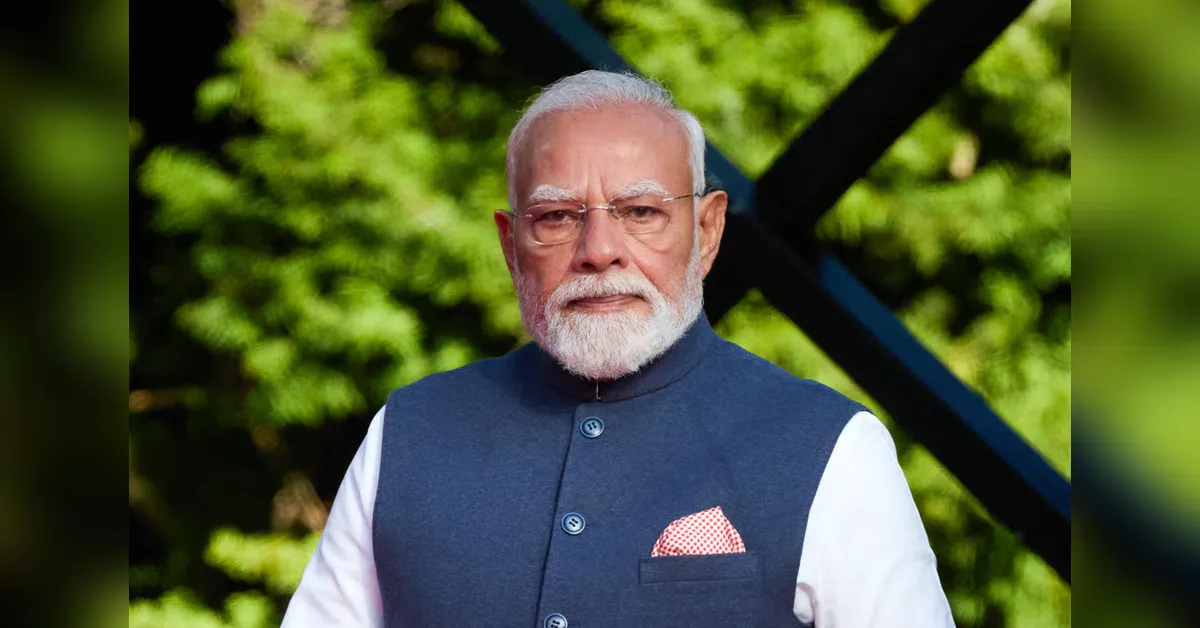
The Indian government, led by Prime Minister Narendra Modi, is advancing plans to reduce import dependence by identifying over 100 products, including electronics, chemicals, drugs, fertilizers, semiconductors, automobiles, and machinery, that can be replaced with domestically manufactured alternatives. This initiative targets critical imports worth about $51 billion to enhance economic resilience amid rising geopolitical risks and supply chain disruptions. The government is considering subsidies and incentives to boost local production, with recent cabinet approvals increasing financial support for chip, smartphone, and fertilizer manufacturing. Discussions are ongoing across ministries, with no final decisions yet.
First-hand measurement across 8 sources
We measured how 8 outlets covered this story. Coverage leans balanced overall (Left 10%, Centre 69%, Right 21%). Overall sentiment is positive (68/100). Lens Score 36/100 — moderate-to-low public interest.
Outlets analysed (first-hand measurement by TBN's Bias Engine):
- swarajyamag— right-leaning framing, positive sentiment
- mint— balanced framing, neutral sentiment
- businessstandard— balanced framing, positive sentiment
- republicworld— balanced framing, neutral sentiment
- economictimes— balanced framing, positive sentiment
- economictimes— balanced framing, positive sentiment
- ndtv— balanced framing, neutral sentiment
- businessstandard— balanced framing, neutral sentiment
AI Analysis
The article group presents a government-driven economic strategy focused on import substitution and supply chain resilience. Coverage primarily reflects official perspectives and expert commentary supporting self-reliance, with limited opposition viewpoints. Sources emphasize geopolitical risks and economic benefits, framing the initiative as a pragmatic response to external challenges without partisan framing.
The overall tone across the articles is neutral to cautiously optimistic, highlighting government efforts to strengthen domestic manufacturing and reduce vulnerabilities. While acknowledging challenges like supply chain risks and currency pressures, the coverage focuses on policy measures and incentives as constructive steps, avoiding sensationalism or criticism.
How 8 sources covered this story
Each source's own headline, political lean, and sentiment — so you can see framing differences at a glance.