Skip to content
Get the Balanced News app for a better experience!
The Balanced News Logo
Analytics
The Balanced News Logo

Stay Balanced, Stay Informed

Menu
  • Browse News
  • Underreported Stories
  • Curated Feeds
  • Insights
  • Analytics
  • Our Writers
  • About Us
  • Download App
Learn
  • How It Works
  • Bias Detection
  • Lens Score
  • Source Bias Checker
  • Accountability
  • Custom Feeds
Newsroom
  • Writers & Analysts
  • About TBN
  • Editorial Standards
  • Corrections Policy
  • Our Partners
  • Insights
Socials
  • Youtube
  • Instagram
  • X
  • Facebook
News Categories
  • Trending
  • Politics
  • Sports
  • Business
  • Tech
  • Entertainment
  • Health
  • Science
  • Crime
  • Lifestyle
  • National
  • International
  • Good News
  • Crypto

Get Our App

Available for iOS and Android


LensFeedsInsightsAnalyticsTrendingGood NewsSportsPoliticsBusinessCrimeTechEntertainmentHealthNationalInternational

© 2026 The Balanced News. All rights reserved.

About UsEditorial StandardsCorrectionsHelp & SupportPrivacy PolicyTerms & Conditions
Women’s Factory Employment and Wage Gaps Persist Despite Night Shift Rule Change
Categories

Categories

Related Coverage

Select a news story to see related coverage from other media outlets.

Related Coverage

Select a news story to see related coverage from other media outlets.

  1. Home
  2. /
  3. Business

Women’s Factory Employment and Wage Gaps Persist Despite Night Shift Rule Change

Analysed 27 Nov 2026·2 sources analysed·India·Business
Women’s Factory Employment and Wage Gaps Persist Despite Night Shift Rule ChangePreviousNext

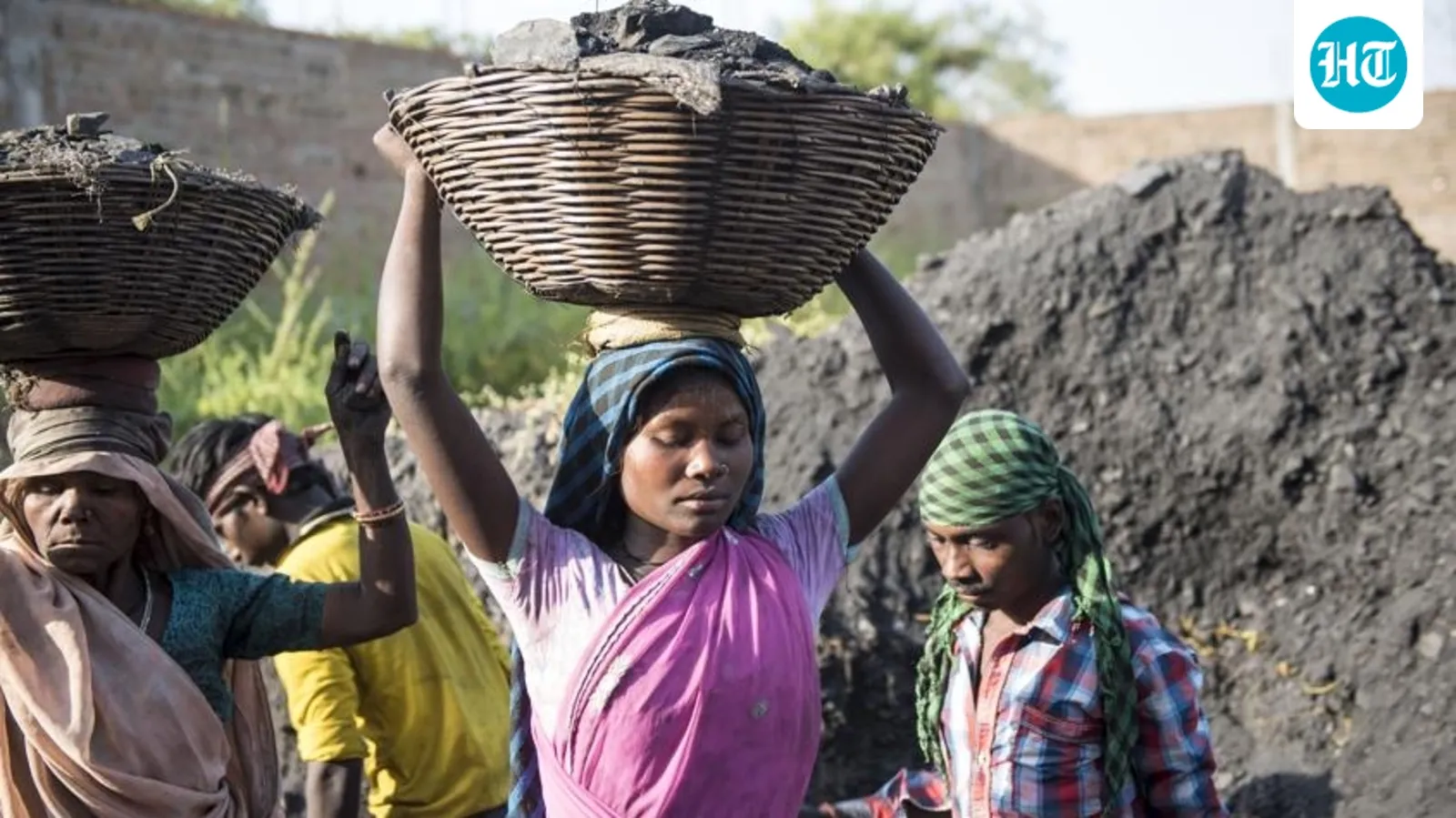
Since the Occupational Safety, Health and Working Conditions Code allowed women to work night shifts with consent from November 2025, few factories have implemented this change due to safety and cost concerns. Women constitute about 18% of factory workers, often limited to day shifts, which restricts their career growth. Additionally, women earn significantly less than men in factories, with wage gaps widening in larger plants, where women also represent a higher share of the workforce. These factors highlight ongoing challenges in women's factory employment and earnings in India.

Sentiment
50%
TBN's observations

First-hand measurement across 2 sources

We measured how 2 outlets covered this story. No outlet gave this story a measurable political slant — there is no left–right reading to report. Overall sentiment is neutral (50/100). Lens Score 39/100.

Outlets measured: hindustantimes, businessstandard. See how each one headlined and framed the same story in the source comparison below.

AI analysis of 2 sources · Published under editorial oversight by The Balanced News
Analysed 27 Nov 2026· How this analysis is produced· Editorial standards· Corrections

AI Analysis

Sentiment — Neutral (50/100)

Sentiment was consistent across outlets (38–62/100), indicating broadly factual reporting rather than editorialising.

Coverage timeline

businessstandard broke this story on 26 Nov, 03:13 pm. Other outlets followed.

26 Nov, 03:13 pm2 sources · 18 h27 Nov, 09:18 am
  1. 1
AI analysis by the TBN Bias Engine · beat methodology byMrunal Wange· Business & Economy Editor· editorial standards byOjas Kale
← Previous
IGI Promoter Plans 1.55% Stake Sale to Meet Public Shareholding Norms
Next →
Monomark Engineering Launches Rs 175.5 Crore IPO Opening December 2, 2026
businessstandard26 Nov, 03:13 pm
Women earn a third less than men in India's factories, shows ASI data
  • 2
    hindustantimes27 Nov, 09:18 am
    Can India's factories afford to keep women off the night shift?
  • Who's involved

    Institutions and figures named across source coverage.

    Government
    Government of India

    Story context

    Category
    Business
    Location
    India
    Sources analysed
    2
    Last analysed
    27 Nov 2026
    Key entities
    IndiaLakhApprenticeshipThe National (Abu Dhabi)AbsenteeismBlue-collar workerOccupational safety and healthAutomotive industryGross domestic productManufacturingAshoka UniversityDeloitte