41 minutes agoBusiness
29LENS
16 SourcesTehran, Iran
 thebalanced.news
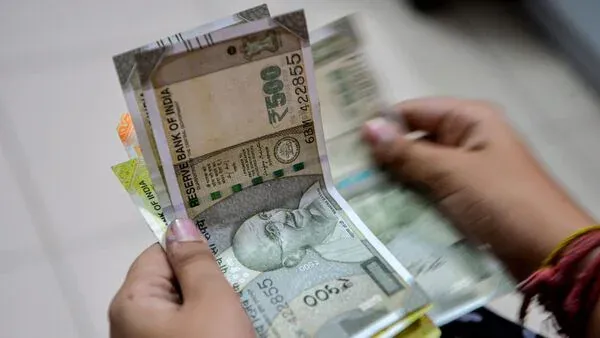
Indian Rupee Hits Record Low Near 94 Amid Rising West Asia Tensions and Oil Prices
The Indian rupee hit a record low near 94 against the US dollar amid escalating geopolitical tensions in West Asia, which have driven crude oil prices above $110 per barrel. This surge in oil prices has increased India's import costs, raising demand for dollars and pressuring the rupee. Foreign fund outflows and domestic equity market declines have further weakened the currency. The Reserve Bank of India has intermittently intervened to stabilize the rupee, but its future trajectory depends on geopolitical developments and crude price movements.
Political Bias
1%99%0%
Sentiment
31%
21 stories available
View AI Analysis
Bias Analysis: The article group presents a largely economic and market-focused perspective, emphasizing geopolitical tensions without attributing blame. Sources include financial experts, RBI officials, and market analysts, reflecting a neutral stance on the conflict. The coverage balances concerns over currency depreciation with central bank interventions, avoiding partisan framing or political commentary.
Sentiment: The overall tone is cautious and concerned, reflecting market uncertainty and economic pressures due to geopolitical risks and rising oil prices. While the coverage highlights negative impacts on the rupee and markets, it also notes RBI efforts to manage volatility, resulting in a mixed but predominantly sober sentiment.
Lens Score: 29/100 — Story is well-covered by media outlets. Public interest: 0/100. Coverage gap: 100%.
Related Coverage
Select a news story to see related coverage from other media outlets.