Skip to content
Get the Balanced News app for a better experience!
The Balanced News Logo
Analytics
The Balanced News Logo

Stay Balanced, Stay Informed

Menu
  • Browse News
  • Underreported Stories
  • Curated Feeds
  • Insights
  • Analytics
  • Our Writers
  • About Us
  • Download App
Learn
  • How It Works
  • Bias Detection
  • Lens Score
  • Source Bias Checker
  • Accountability
  • Custom Feeds
Newsroom
  • Writers & Analysts
  • About TBN
  • Editorial Standards
  • Corrections Policy
  • Our Partners
  • Insights
Socials
  • Youtube
  • Instagram
  • X
  • Facebook
News Categories
  • Trending
  • Politics
  • Sports
  • Business
  • Tech
  • Entertainment
  • Health
  • Science
  • Crime
  • Lifestyle
  • National
  • International
  • Good News
  • Crypto

Get Our App

Available for iOS and Android


LensFeedsInsightsAnalyticsTrendingGood NewsSportsPoliticsBusinessCrimeTechEntertainmentHealthNationalInternational

© 2026 The Balanced News. All rights reserved.

About UsEditorial StandardsCorrectionsHelp & SupportPrivacy PolicyTerms & Conditions
India Faces Lower Reservoir Levels and Declining Coal Stocks Amid Rising Power Demand
Categories

Categories

Related Coverage

Select a news story to see related coverage from other media outlets.

Related Coverage

Select a news story to see related coverage from other media outlets.

  1. Home
  2. /
  3. Business

India Faces Lower Reservoir Levels and Declining Coal Stocks Amid Rising Power Demand

Analysed 22 Jul 2026·2 sources analysed·India·Business
India Faces Lower Reservoir Levels and Declining Coal Stocks Amid Rising Power DemandPreviousNext

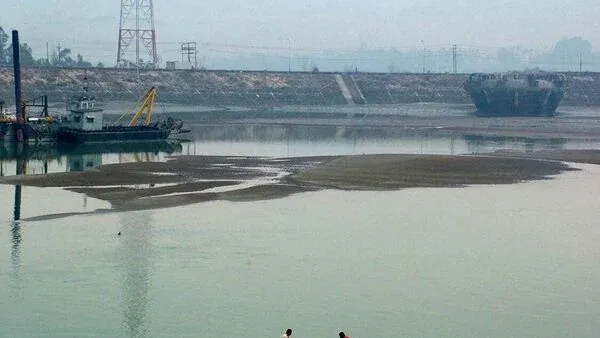
India's major reservoirs hold 39% less water than last year despite improved monsoon rainfall, due to uneven distribution, risking irrigation, crop yields, and drinking water supplies. Concurrently, coal stocks at thermal power plants have declined amid rising electricity demand and reduced hydro and wind power generation caused by a weaker monsoon and El Niño effects. These factors may increase reliance on coal-based power and pressure food production and energy availability in the coming months.

Sentiment
48%
TBN's observations

First-hand measurement across 2 sources

We measured how 2 outlets covered this story. No outlet gave this story a measurable political slant — there is no left–right reading to report. Overall sentiment is neutral (48/100). Lens Score 51/100.

Outlets measured: mint, mint. See how each one headlined and framed the same story in the source comparison below.

AI analysis of 2 sources · Published under editorial oversight by The Balanced News
Analysed 22 Jul 2026· How this analysis is produced· Editorial standards· Corrections

AI Analysis

Sentiment — Neutral (48/100)

Sentiment was consistent across outlets (48–48/100), indicating broadly factual reporting rather than editorialising.

Coverage timeline

mint broke this story on 21 Jul, 01:31 pm. Other outlets followed.

21 Jul, 01:31 pm2 sources · 17 h22 Jul, 06:19 am
  1. 1
AI analysis by the TBN Bias Engine · beat methodology byMrunal Wange· Business & Economy Editor· editorial standards byOjas Kale
← Previous
India Considers Allowing Airport Operators to Own Airlines to Boost Competition
Next →
Disney Announces Hundreds of Job Cuts Across Pixar, National Geographic, and ESPN
mint21 Jul, 01:31 pm
Indian reservoir water level drops 39 from year ago even as monsoon rainfall improves Mint
  • 2
    mint22 Jul, 06:19 am
    Power plant coal stocks shrink amid high electricity demand Today News
  • Who's involved

    Institutions and figures named across source coverage.

    Government
    Central Electricity AuthorityMinistry of Agriculture and Farmers WelfareNational Power PortalJal Shakti MinistryIndia Meteorological DepartmentCentral Water Commission
    Corporate
    NTPC

    Story context

    Category
    Business
    Location
    India
    Sources analysed
    2
    Last analysed
    22 Jul 2026
    Key entities
    Kharif cropMonsoonReservoirIndiaIndia Meteorological DepartmentHydropowerTonneEl NiñoUttar PradeshRabi cropDrinking waterAgriculture