Indian Gas Exchange Reports Rising Gas Volumes and Benchmark Prices in Early 2024
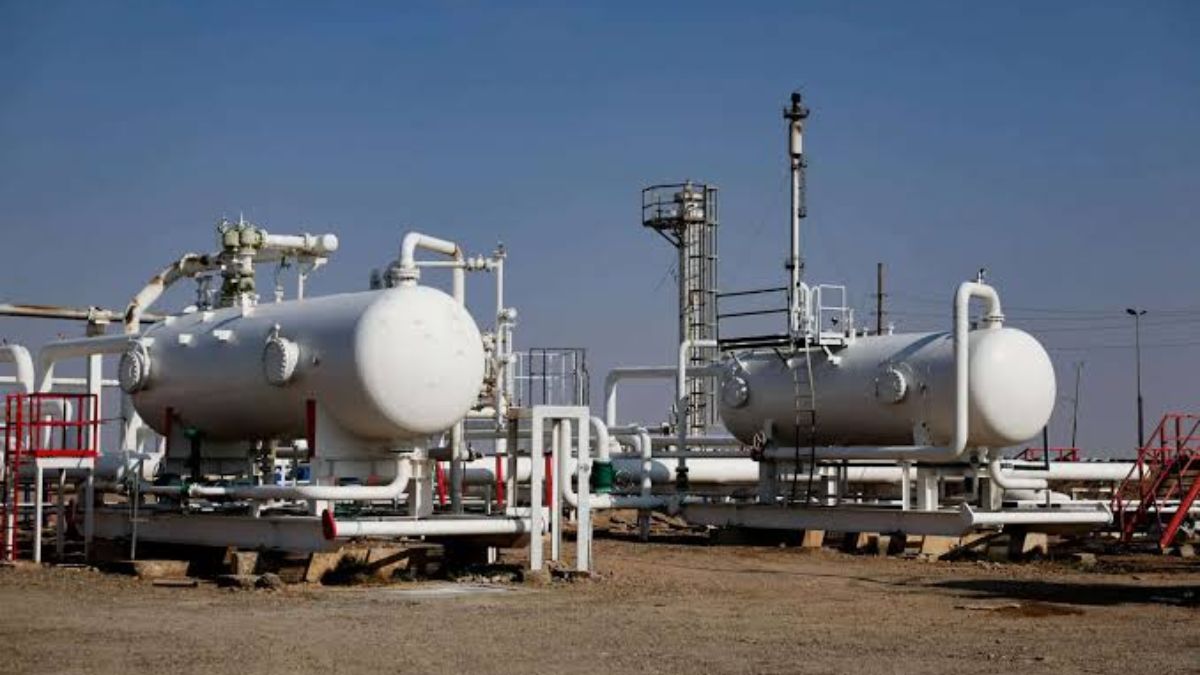
The Indian Gas Exchange (IGX) saw significant growth in natural gas trading volumes and benchmark prices in early 2024. Q1FY27 volumes rose nearly 48% sequentially and 12% year-on-year to 27.48 million MMBtu, with June volumes doubling from the previous year despite a 24% drop from May. The IGX benchmark gas price index increased sharply, rising 79% year-on-year in June and 49% in April, driven by supply constraints linked to the West Asia crisis. Domestic high-pressure, high-temperature gas sold at ceiling prices accounted for about half of traded volumes, mainly purchased by city gas distribution companies, while the remainder was free-market gas. IGX facilitates trading across multiple delivery points and contract types, supporting growing demand in power and transport sectors.
First-hand measurement across 2 sources
We measured how 2 outlets covered this story. Coverage leans balanced overall (Left 0%, Centre 100%, Right 0%). Overall sentiment is neutral (52/100). Lens Score 28/100 — low public interest.
Outlets analysed (first-hand measurement by TBN's Bias Engine):
- thefinancialexpress— balanced framing, neutral sentiment
- businessstandard— balanced framing, neutral sentiment
AI Analysis
The articles primarily present market data and industry developments without explicit political framing. They include perspectives on supply constraints linked to geopolitical issues like the West Asia crisis but focus on factual reporting of trading volumes and prices. Stakeholders such as producers and city gas distributors are mentioned without partisan commentary, reflecting a neutral economic and industry viewpoint.
The overall tone across the articles is neutral to moderately positive, emphasizing growth in trading volumes and rising prices as market responses to supply challenges. While price increases may imply cost pressures, the coverage highlights increased activity and demand, particularly in power and transport sectors, without emotive language or negative framing.
How 2 sources covered this story
Each source's own headline, political lean, and sentiment — so you can see framing differences at a glance.