India Faces Food Safety Challenges in Agricultural Exports Amid Global Standards Push
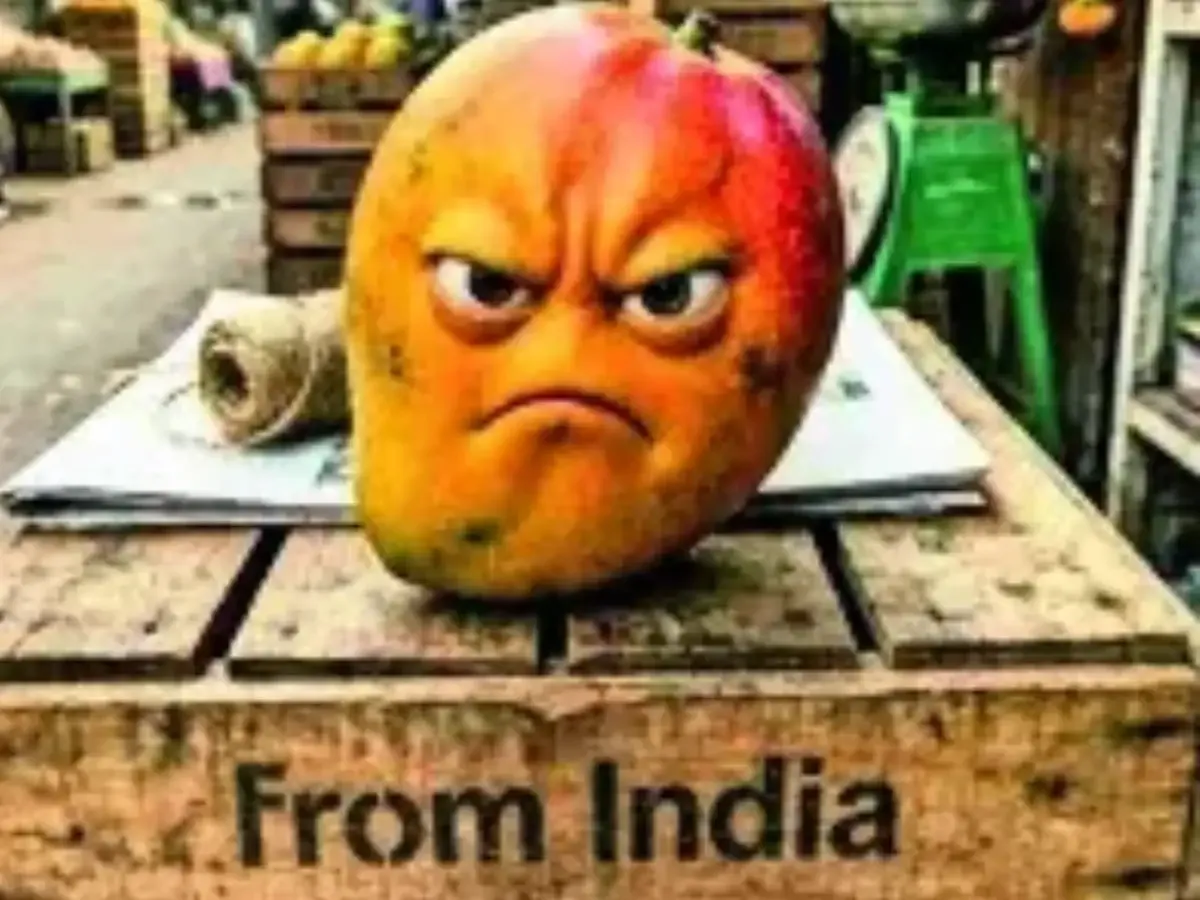
Indian agricultural exports, including basmati rice and spices, face increasing scrutiny over food safety standards abroad. Australian authorities suspended 44 Indian fumigation service providers after rice shipments failed fumigation requirements, though no import ban was imposed. Repeated findings of pesticide residues and heavy metals in Indian products highlight the need for stronger domestic food safety systems. India aims to lead global standards through the Codex Alimentarius but must first ensure uniform implementation of Food Safety and Standards Authority of India (FSSAI) norms domestically to enhance export competitiveness and consumer health.
First-hand measurement across 2 sources
We measured how 2 outlets covered this story. Coverage leans balanced overall (Left 10%, Centre 85%, Right 5%). Overall sentiment is neutral (58/100). Lens Score 24/100 — low public interest.
Outlets analysed (first-hand measurement by TBN's Bias Engine):
- mint— balanced framing, positive sentiment
- economictimes— balanced framing, neutral sentiment
AI Analysis
The articles present a largely neutral perspective focusing on regulatory and trade issues without partisan framing. They emphasize India's need to improve domestic food safety enforcement and engage internationally through Codex Alimentarius. Both government regulatory efforts and industry challenges are acknowledged, with no overt political positioning or blame assigned.
The overall tone is cautiously critical, highlighting concerns about food safety compliance and export hurdles while recognizing India's potential leadership in setting global standards. Coverage balances the challenges faced with constructive suggestions for regulatory improvements, resulting in a mixed but solution-oriented sentiment.
How 2 sources covered this story
Each source's own headline, political lean, and sentiment — so you can see framing differences at a glance.