Foreign Institutional Investors Turn Net Buyers Amid Continued Domestic Support in Indian Equities
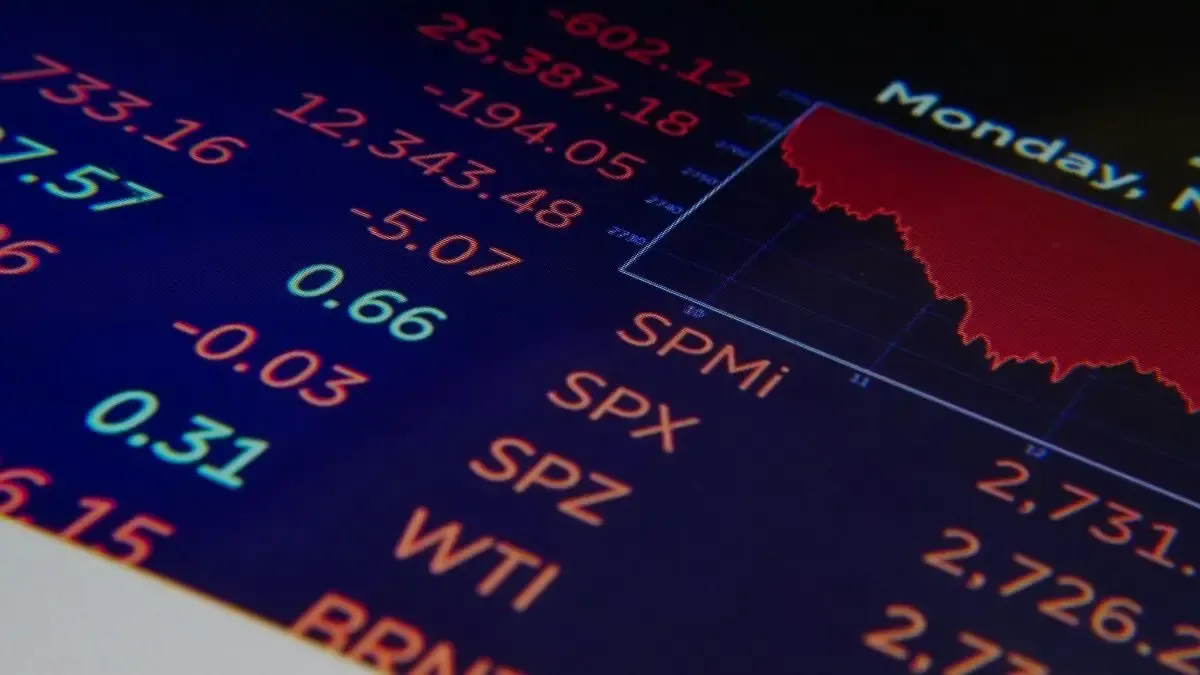
After significant foreign outflows from Indian equities in early 2026 driven by global risk-off sentiment and geopolitical tensions, Foreign Institutional Investors (FIIs) turned net buyers in mid-June, with purchases exceeding ₹4,800 crore. This shift, partly influenced by passive fund rebalancing, contrasts with sustained Domestic Institutional Investor (DII) support, which has buffered the market. Despite government reforms aimed at easing foreign investment, FIIs remain cautious, awaiting clearer policy signals amid attractive yields in developed markets and global uncertainties.
First-hand measurement across 3 sources
We measured how 3 outlets covered this story. Coverage leans balanced overall (Left 3%, Centre 95%, Right 2%). Overall sentiment is positive (67/100). Lens Score 26/100 — low public interest.
Outlets analysed (first-hand measurement by TBN's Bias Engine):
- republicworld— balanced framing, neutral sentiment
- zeenews— balanced framing, positive sentiment
- republicworld— balanced framing, neutral sentiment
AI Analysis
The articles present a range of perspectives including government policy efforts to attract foreign investment, investor caution due to global economic conditions, and the role of domestic institutions in stabilizing markets. Sources include market analysts and investment managers who emphasize both policy improvements and external factors influencing capital flows, reflecting a balanced coverage without partisan framing.
The overall tone is cautiously optimistic, highlighting a positive shift in foreign investor behavior alongside ongoing domestic support. While acknowledging past challenges from global risk aversion and geopolitical tensions, the coverage underscores emerging confidence signals without overstating certainty, resulting in a measured and balanced sentiment.
How 3 sources covered this story
Each source's own headline, political lean, and sentiment — so you can see framing differences at a glance.