Skip to content
Get the Balanced News app for a better experience!
The Balanced News Logo
Analytics
The Balanced News Logo

Stay Balanced, Stay Informed

Menu
  • Browse News
  • Underreported Stories
  • Curated Feeds
  • Insights
  • Analytics
  • Our Writers
  • About Us
  • Download App
Learn
  • How It Works
  • Bias Detection
  • Lens Score
  • Source Bias Checker
  • Accountability
  • Custom Feeds
Newsroom
  • Writers & Analysts
  • About TBN
  • Editorial Standards
  • Corrections Policy
  • Our Partners
  • Insights
Socials
  • Youtube
  • Instagram
  • X
  • Facebook
News Categories
  • Trending
  • Politics
  • Sports
  • Business
  • Tech
  • Entertainment
  • Health
  • Science
  • Crime
  • Lifestyle
  • National
  • International
  • Good News
  • Crypto

Get Our App

Available for iOS and Android


LensFeedsInsightsAnalyticsTrendingGood NewsSportsPoliticsBusinessCrimeTechEntertainmentHealthNationalInternational

© 2026 The Balanced News. All rights reserved.

About UsEditorial StandardsCorrectionsHelp & SupportPrivacy PolicyTerms & Conditions
Himachal Pradesh Apple Productivity Declines Over 50% Due to Fertiliser and Pesticide Use
Categories

Categories

Related Coverage

Select a news story to see related coverage from other media outlets.

Related Coverage

Select a news story to see related coverage from other media outlets.

  1. Home
  2. /
  3. Business

Himachal Pradesh Apple Productivity Declines Over 50% Due to Fertiliser and Pesticide Use

Analysed 24 Nov 2026·2 sources analysed·Himachal Pradesh, India·Business
Himachal Pradesh Apple Productivity Declines Over 50% Due to Fertiliser and Pesticide UsePreviousNext

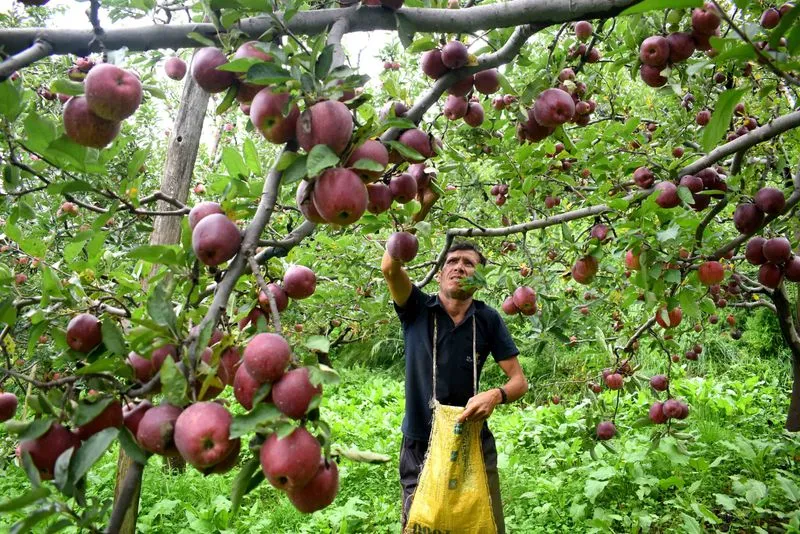
Apple productivity in Himachal Pradesh has declined sharply from over 10 tonnes per hectare in 1981 to around 4.3 tonnes in 2023, according to a study by scientists from Dr YS Parmar University and ICAR. The decline exceeds 50%, despite advances in technology and inputs. Researchers attribute this drop mainly to the injudicious and unbalanced use of pesticides and fertilisers, which have harmed soil and plant health, alongside climate change. They suggest adopting regenerative farming to restore productivity.

Sentiment
48%
TBN's observations

First-hand measurement across 2 sources

We measured how 2 outlets covered this story. No outlet gave this story a measurable political slant — there is no left–right reading to report. Overall sentiment is neutral (48/100). Lens Score 45/100.

Outlets measured: thetribune, thetribune. See how each one headlined and framed the same story in the source comparison below.

AI analysis of 2 sources · Published under editorial oversight by The Balanced News
Analysed 24 Nov 2026· How this analysis is produced· Editorial standards· Corrections

AI Analysis

Sentiment — Neutral (48/100)

Sentiment was consistent across outlets (45–50/100), indicating broadly factual reporting rather than editorialising.

Coverage timeline

thetribune broke this story on 24 Nov, 02:53 pm. Other outlets followed.

24 Nov, 02:53 pm2 sources · 5 h24 Nov, 07:37 pm
  1. 1
AI analysis by the TBN Bias Engine · beat methodology byMrunal Wange· Business & Economy Editor· editorial standards byOjas Kale
← Previous
Himachal Pradesh Allocates 90% of Revenue to Committed Spending, Cuts Capital Outlay
Next →
Irdai Forms Groups to Standardize Health Insurance Claims and Enable Real-Time Tracking
thetribune24 Nov, 02:53 pm
Himachal apple productivity witnesses sharp drop: Indian Council of Agricultural Research
  • 2
    thetribune24 Nov, 07:37 pm
    Apple yield falls sharply; scientists blame injudicious fertiliser use
  • Who's involved

    Institutions and figures named across source coverage.

    Government
    Regional Horticultural Research and Training Station, MashobraKrishi Vigyan Kendra, ShimlaKrishi Vigyan KendraIndian Council of Agricultural Research

    Story context

    Category
    Business
    Location
    Himachal Pradesh, India
    Sources analysed
    2
    Last analysed
    24 Nov 2026
    Key entities
    ApplePesticideProductivityFertilizerTonneHectareHorticultureIndian Council of Agricultural ResearchHimachal PradeshIndiaSoilChemical substance