Skip to content
Get the Balanced News app for a better experience!
The Balanced News Logo
Analytics
The Balanced News Logo

Stay Balanced, Stay Informed

Menu
  • Browse News
  • Underreported Stories
  • Curated Feeds
  • Insights
  • Analytics
  • Our Writers
  • About Us
  • Download App
Learn
  • How It Works
  • Bias Detection
  • Lens Score
  • Source Bias Checker
  • Accountability
  • Custom Feeds
Newsroom
  • Writers & Analysts
  • About TBN
  • Editorial Standards
  • Corrections Policy
  • Our Partners
  • Insights
Socials
  • Youtube
  • Instagram
  • X
  • Facebook
News Categories
  • Trending
  • Politics
  • Sports
  • Business
  • Tech
  • Entertainment
  • Health
  • Science
  • Crime
  • Lifestyle
  • National
  • International
  • Good News
  • Crypto

Get Our App

Available for iOS and Android


LensFeedsInsightsAnalyticsTrendingGood NewsSportsPoliticsBusinessCrimeTechEntertainmentHealthNationalInternational

© 2026 The Balanced News. All rights reserved.

About UsEditorial StandardsCorrectionsHelp & SupportPrivacy PolicyTerms & Conditions
Studies Explore Coconut Shells and Sugarcane Ash as Sustainable Concrete Materials
Categories

Categories

Related Coverage

Select a news story to see related coverage from other media outlets.

Related Coverage

Select a news story to see related coverage from other media outlets.

  1. Home
  2. /
  3. Business

Studies Explore Coconut Shells and Sugarcane Ash as Sustainable Concrete Materials

Analysed 3 Sept 2026·3 sources analysed·Texas, United States·Business
Studies Explore Coconut Shells and Sugarcane Ash as Sustainable Concrete MaterialsPreviousNext

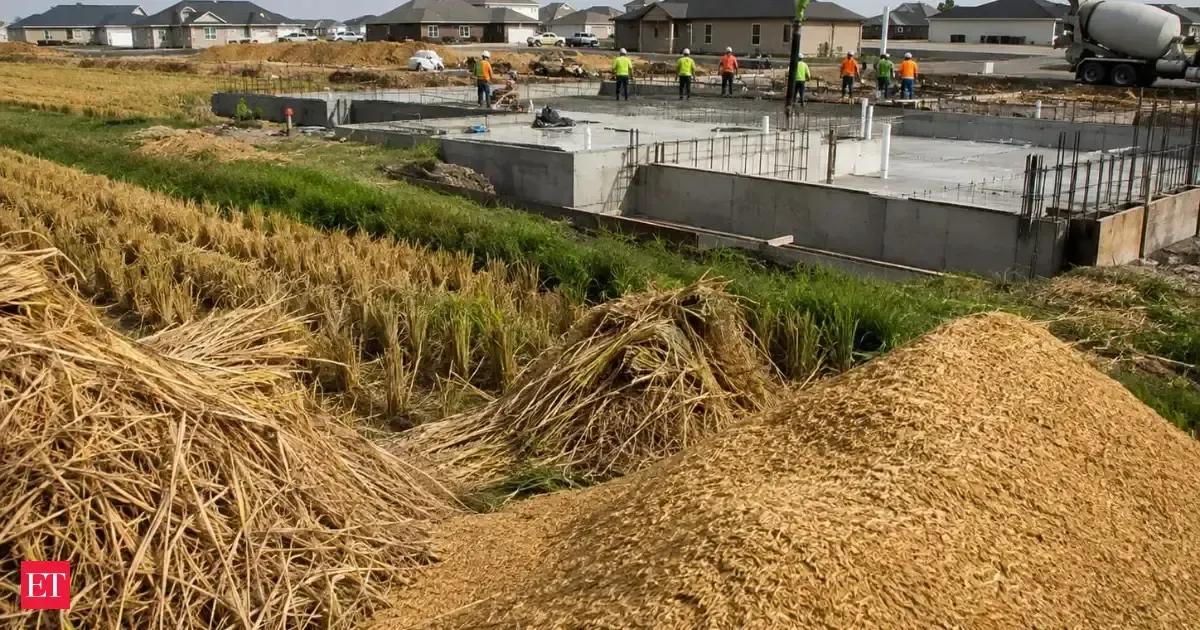
Researchers are exploring sustainable alternatives to traditional concrete materials by incorporating agricultural waste. A 2023 study found that replacing 10% of coarse aggregate with crushed coconut shells slightly reduces concrete strength but offers environmental benefits and cost savings. Separately, sugarcane bagasse ash, rich in reactive silica, has been studied as a partial cement substitute, with up to 20% replacement enhancing sustainability without compromising strength. Both innovations aim to reduce environmental impact and promote resource efficiency in construction.

Sentiment
61%
TBN's observations

First-hand measurement across 3 sources

We measured how 3 outlets covered this story. No outlet gave this story a measurable political slant — there is no left–right reading to report. Overall sentiment is positive (61/100). Lens Score 33/100.

Outlets measured: economictimes, economictimes, economictimes. See how each one headlined and framed the same story in the source comparison below.

AI analysis of 3 sources · Published under editorial oversight by The Balanced News
Analysed 3 Sept 2026· How this analysis is produced· Editorial standards· Corrections

AI Analysis

Sentiment — Positive (61/100)

Sentiment was consistent across outlets (52–74/100), indicating broadly factual reporting rather than editorialising.

Coverage timeline

economictimes broke this story on 2 Sept, 01:07 pm. Other outlets followed.

2 Sept, 01:07 pm3 sources · 21 h3 Sept, 10:21 am
AI analysis by the TBN Bias Engine · beat methodology byMrunal Wange· Business & Economy Editor· editorial standards byOjas Kale
← Previous
Titan Biotech Announces 1:4 Bonus Share Issue and Rs 0.50 Dividend for FY26
Next →
Autoline Industries Shares Rise After Securing Rs 100 Crore Contract from Tata Motors
  1. 1
    economictimes2 Sept, 01:07 pm
    In 2023, researchers crushed discarded coconut shells into aggregate substitutes, replacing 10 of coarse aggregate produced 34.8 N mm2 concrete strength
  2. 2
    economictimes3 Sept, 10:10 am
    In 2022, researchers studied sugarcane bagasse ash as a partial cement substitute; lower replacement levels showed better mechanical performance in concrete
  3. 3
    economictimes3 Sept, 10:21 am
    In 2020, Southwest University researchers treated rice husks with acid and burned them into ash; replacing 10 of cement with the ash increased compressive strength by 16.22 after 56 days

Story context

Category
Business
Location
Texas, United States
Sources analysed
3
Last analysed
3 Sept 2026
Key entities
ConcreteCementAgricultureGreenhouse gas emissionsCompressive strengthFraxinusSilicon dioxideInternational Energy AgencyCarbon dioxideUnited StatesConstruction aggregateGravel