Solar Technology Advances Support Agricultural Productivity and Food Security in Africa
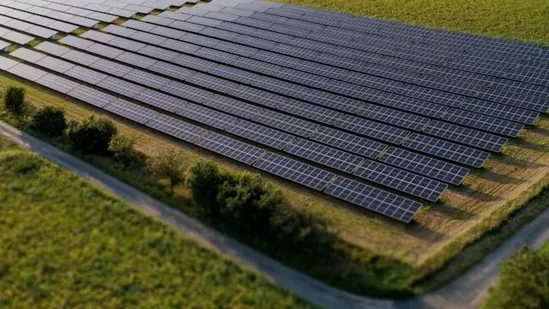
In sub-Saharan Africa, solar technology is increasingly aiding farmers by improving irrigation and reducing post-harvest losses. Indian experience with large-scale solar pump programs, such as PM-KUSUM, offers a model for expanding affordable solar irrigation. Meanwhile, solar-powered cold storage solutions in countries like Kenya help farmers preserve produce, reduce spoilage, and access global markets. Challenges remain in scaling these technologies due to financing, infrastructure, and policy gaps, but solar power is emerging as a key tool for enhancing agricultural productivity and food security in Africa.
First-hand measurement across 2 sources
We measured how 2 outlets covered this story. Coverage leans balanced overall (Left 5%, Centre 90%, Right 5%). Overall sentiment is positive (75/100). Lens Score 29/100 — low public interest.
Outlets analysed (first-hand measurement by TBN's Bias Engine):
- hindustantimes— balanced framing, positive sentiment
- news18— balanced framing, positive sentiment
AI Analysis
The articles present perspectives focused on technological and policy solutions without partisan framing. They highlight India's government-led solar initiatives as a positive example while discussing African challenges neutrally. The coverage includes government programs, private sector innovations, and farmer experiences, reflecting a pragmatic approach rather than political advocacy or criticism.
The overall tone is cautiously optimistic, emphasizing progress and potential benefits of solar technology for African agriculture. While acknowledging existing challenges like financing and infrastructure, the articles focus on success stories and emerging solutions, conveying a positive outlook on solar power's role in improving food security and farmer incomes.
How 2 sources covered this story
Each source's own headline, political lean, and sentiment — so you can see framing differences at a glance.