Skip to content
Get the Balanced News app for a better experience!
The Balanced News Logo
Analytics
The Balanced News Logo

Stay Balanced, Stay Informed

Menu
  • Browse News
  • Underreported Stories
  • Curated Feeds
  • Insights
  • Analytics
  • Our Writers
  • About Us
  • Download App
Learn
  • How It Works
  • Bias Detection
  • Lens Score
  • Source Bias Checker
  • Accountability
  • Custom Feeds
Newsroom
  • Writers & Analysts
  • About TBN
  • Editorial Standards
  • Corrections Policy
  • Our Partners
  • Insights
Socials
  • Youtube
  • Instagram
  • X
  • Facebook
News Categories
  • Trending
  • Politics
  • Sports
  • Business
  • Tech
  • Entertainment
  • Health
  • Science
  • Crime
  • Lifestyle
  • National
  • International
  • Good News
  • Crypto

Get Our App

Available for iOS and Android


LensFeedsInsightsAnalyticsTrendingGood NewsSportsPoliticsBusinessCrimeTechEntertainmentHealthNationalInternational

© 2026 The Balanced News. All rights reserved.

About UsEditorial StandardsCorrectionsHelp & SupportPrivacy PolicyTerms & Conditions
Panipat's Role in Global Textile Recycling and India's Circular Fashion Practices
Categories

Categories

Related Coverage

Select a news story to see related coverage from other media outlets.

Related Coverage

Select a news story to see related coverage from other media outlets.

  1. Home
  2. /
  3. Business

Panipat's Role in Global Textile Recycling and India's Circular Fashion Practices

Analysed 4 Jul 2026·3 sources analysed·Panipat, India·Business
Panipat's Role in Global Textile Recycling and India's Circular Fashion PracticesPreviousNext

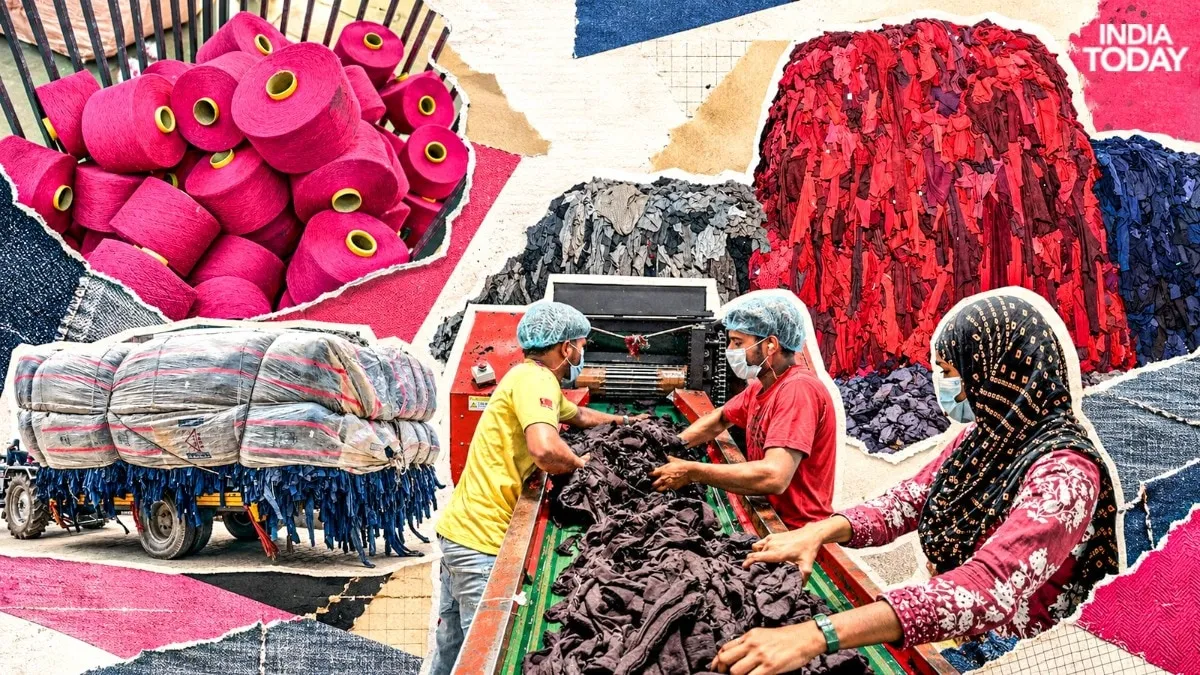
Panipat, India, serves as a major global hub for textile recycling, processing nearly one million tonnes of discarded clothing annually from around the world. The city transforms textile waste—including second-hand garments and factory scraps—into recycled fibers and new products, helping reduce landfill waste. This industrial recycling contrasts with traditional Indian circular fashion practices, which emphasize extending garment longevity through mindful consumption, as highlighted by experts advocating sustainable fashion approaches in India.

TBN's observations

First-hand measurement across 3 sources

We measured how 3 outlets covered this story. Coverage leans balanced overall (Left 0%, Centre 100%, Right 0%). Overall sentiment is positive (68/100). Lens Score 31/100 — low public interest.

Outlets analysed (first-hand measurement by TBN's Bias Engine):

  • indiatoday— balanced framing, neutral sentiment
  • indiatoday— balanced framing, neutral sentiment
  • hindustantimes— balanced framing, positive sentiment
Political Bias
0%100%0%
Sentiment
68%
AI analysis of 3 sources · Published under editorial oversight by The Balanced News
Analysed 4 Jul 2026· How this analysis is produced· Editorial standards· Corrections

AI Analysis

Political bias across 3 sources
● Left 0%● Center 100%● Right 0%

The article group presents a largely neutral perspective focused on environmental and cultural aspects of textile recycling and sustainable fashion. It includes government viewpoints through expert interviews and highlights industry practices without political framing. The coverage balances industrial-scale recycling with traditional sustainability concepts, reflecting a broad societal interest rather than partisan positions.

Sentiment — Positive (68/100)

The overall tone is informative and constructive, emphasizing the scale and impact of textile recycling in Panipat alongside traditional sustainable fashion practices in India. The articles convey a positive outlook on recycling efforts and mindful consumption without overstating benefits or ignoring challenges, resulting in a balanced and hopeful sentiment.

How 3 sources covered this story

Each source's own headline, political lean, and sentiment — so you can see framing differences at a glance.

Reviewed byMrunal Wange· Business & Economy Editor· Edited byOjas Kale
← Previous
Protean eGov and NECTAR Partner to Advance Technology-Led Governance in India
Next →
GIVA Launches GIVA GOAT Sale with Up to 60% Off on Silver Jewellery
SourceTheir headlineBiasSentiment
indiatodayPanipat: What really happens to your old clothes? Inside India's recycling capitalCenterNeutral
indiatodayIn Panipat: How the world's textile trash gets a second lifeCenterNeutral
hindustantimesBefore thrifting became trendy, Indian homes practised circular fashion; handloom shows why it is a 'powerful example'CenterPositive

Coverage timeline

hindustantimes broke this story on 3 Jul, 09:54 am. Other outlets followed.

  1. 1
    hindustantimes3 Jul, 09:54 am
    Before thrifting became trendy, Indian homes practised circular fashion; handloom shows why it is a 'powerful example'
  2. 2
    indiatoday4 Jul, 05:35 am
    Panipat: What really happens to your old clothes? Inside India's recycling capital
  3. 3
    indiatoday4 Jul, 05:35 am
    In Panipat: How the world's textile trash gets a second life

Lens Score breakdown

31/100
Public interest0/100
Coverage gap90%

Well-covered story — coverage matches public importance.

Who's involved

Institutions and figures named across source coverage.

Government
Haryana State Pollution Control BoardDevelopment Commissioner for HandloomsMinistry of Textiles
Corporate
HSN ECOTEX

Story context

Category
Business
Location
Panipat, India
Sources analysed
3
Last analysed
4 Jul 2026
Key entities
Spinning (textiles)YarnRecyclingTextilePanipatIndiaLandfillTextile recyclingCarpetBleachWarehouseDyeing