Dubai Luxury Hotels Shift Focus to Resident Staycations Amid Regional Conflict
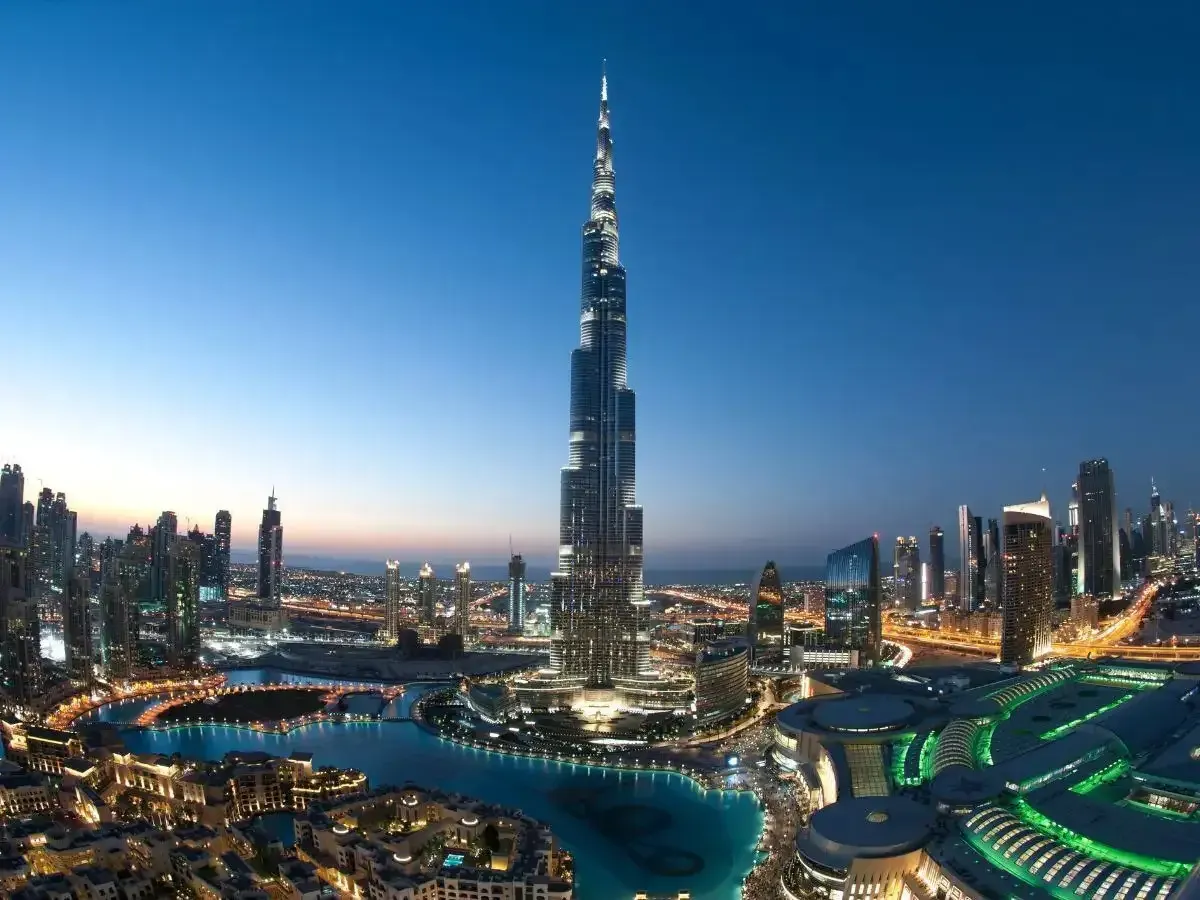
Dubai's luxury hotels, traditionally catering to wealthy international tourists, are increasingly relying on local residents due to a decline in visitors amid regional conflict. Hotels on the Palm Jumeirah have introduced steep staycation discounts, attracting residents who previously found prices prohibitive. Despite some floors remaining closed due to low occupancy, pool areas are busy on weekends. Dubai, with 19.5 million annual tourists and over 800 hotels, faces challenges as geopolitical tensions affect its tourism sector.
First-hand measurement across 2 sources
We measured how 2 outlets covered this story. Coverage leans balanced overall (Left 5%, Centre 93%, Right 2%). Overall sentiment is neutral (45/100). Lens Score 29/100 — low public interest.
Outlets analysed (first-hand measurement by TBN's Bias Engine):
- economictimes— balanced framing, neutral sentiment
- firstpost— balanced framing, neutral sentiment
AI Analysis
The articles present a largely neutral economic perspective, focusing on the impact of regional geopolitical tensions on Dubai's tourism industry. They reference the US-Israeli strikes and Iran's response as context but do not take sides or delve into political analysis. The coverage centers on business and consumer responses, reflecting economic and social viewpoints without partisan framing.
The tone across the articles is mixed, combining concern over reduced international tourism due to conflict with a positive note on hotels adapting through staycation offers. Resident reactions highlight newfound affordability and enjoyment, providing an optimistic angle amid challenges. Overall, the sentiment balances the difficulties faced by the sector with adaptive strategies and resident engagement.
How 2 sources covered this story
Each source's own headline, political lean, and sentiment — so you can see framing differences at a glance.