Iran Conflict Drives Fertilizer Price Rise, Farmers Turn to Organic Alternatives
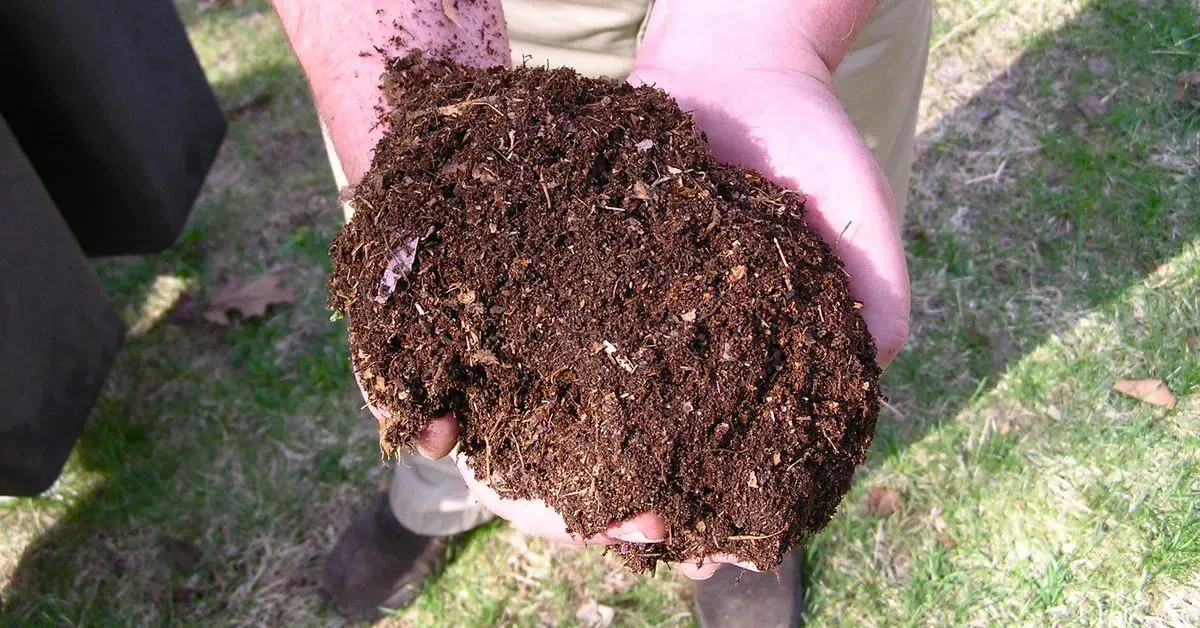
Since the Iran conflict began in February, fertilizer prices have risen by around 40-50%, driven by disruptions to natural gas supplies and shipping through the Strait of Hormuz. In Senegal, farmers like Abou Sow, who switched to organic compost years ago, now encourage others to use natural alternatives such as manure. Experts highlight potential environmental benefits of reducing chemical fertilizer use, including lower greenhouse gas emissions and improved soil carbon sequestration, amid growing concerns about global food security.
First-hand measurement across 2 sources
We measured how 2 outlets covered this story. Coverage leans balanced overall (Left 20%, Centre 75%, Right 5%). Overall sentiment is neutral (55/100). Lens Score 37/100 — moderate-to-low public interest.
Outlets analysed (first-hand measurement by TBN's Bias Engine):
- businessstandard— balanced framing, neutral sentiment
- news18— balanced framing, neutral sentiment
AI Analysis
The articles present a largely neutral perspective focusing on the economic and environmental impacts of the Iran conflict on fertilizer supply and agriculture. They include viewpoints from farmers, international experts, and organizations like the UN Food and Agriculture Organization without promoting any political stance. The coverage emphasizes factual reporting on supply disruptions and responses rather than political analysis or blame.
The tone across the articles is cautiously concerned, reflecting the challenges posed by rising fertilizer prices and supply issues. However, it also conveys a constructive outlook by highlighting farmers' adaptation through organic methods and potential environmental benefits. Overall, the sentiment balances the difficulties faced with hopeful alternatives, resulting in a mixed but pragmatic coverage.