India Proposes Draft CAFE-III Fuel Efficiency Norms for Passenger Vehicles from 2027
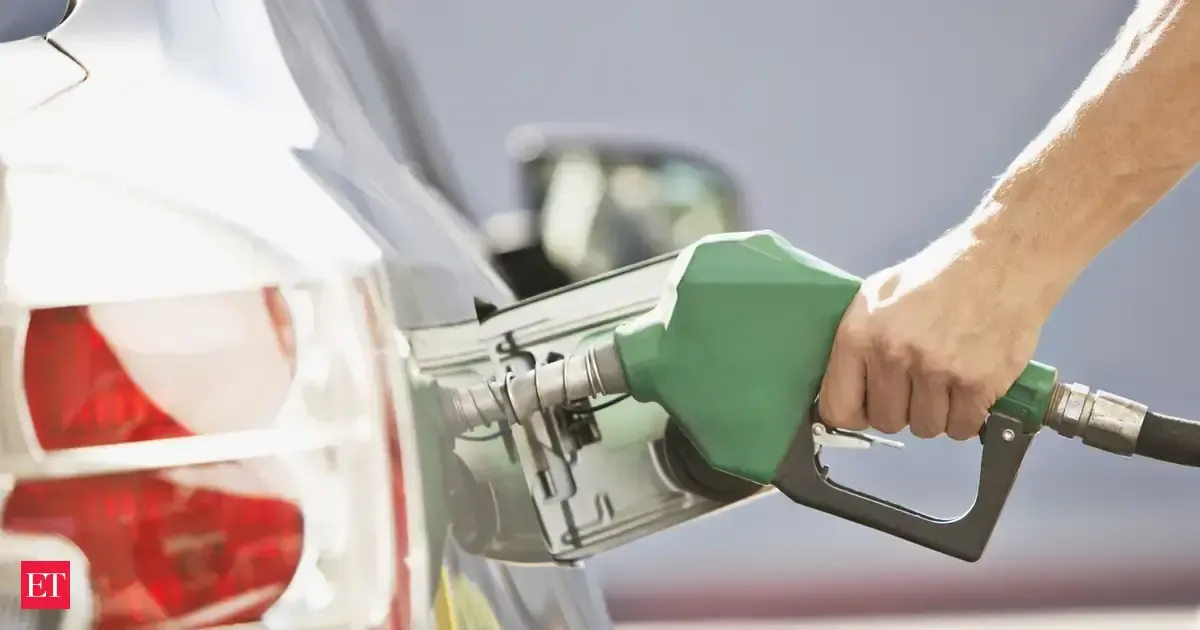
The Indian Ministry of Power has released draft Corporate Average Fuel Economy-III (CAFE-III) norms for passenger vehicles, effective from April 2027 to March 2032. These propose progressively stricter fleet-wide fuel efficiency targets, reducing fuel consumption from 3.996 to 3.327 litres per 100 km. For the first time, the draft recognizes carbon neutrality of ethanol, biofuels, and compressed biogas, allowing emission reductions in compliance calculations. The framework includes compliance credits, technology incentives, and super credits for cleaner vehicles. Stakeholders have until August 6, 2026, to submit feedback.
First-hand measurement across 13 sources
We measured how 13 outlets covered this story. Coverage leans balanced overall (Left 5%, Centre 92%, Right 3%). Overall sentiment is neutral (64/100). Lens Score 32/100 — low public interest.
Outlets analysed (first-hand measurement by TBN's Bias Engine):
- ndtv— balanced framing, positive sentiment
- thehindu— balanced framing, neutral sentiment
- theprint— balanced framing, neutral sentiment
- mint— balanced framing, neutral sentiment
- thefinancialexpress— balanced framing, positive sentiment
- zeenews— balanced framing, neutral sentiment
- businessstandard— balanced framing, neutral sentiment
- economictimes— balanced framing, neutral sentiment
AI Analysis
The article group presents a range of perspectives primarily from government sources and industry stakeholders, including automakers and regulatory bodies. Coverage includes official policy details, industry responses, and technical aspects of the draft norms. While some sources highlight industry pushback and adjustments made by the government, others emphasize environmental goals and technological incentives, reflecting a balanced representation of regulatory intent and stakeholder concerns.
The overall tone across the articles is neutral to cautiously optimistic, focusing on the regulatory framework's intent to improve fuel efficiency and reduce emissions. Some coverage notes industry concerns and the government's subsequent easing of targets, indicating a pragmatic approach. The inclusion of incentives and recognition of biofuels is generally presented positively, while the narrative acknowledges ongoing debates without overt criticism or praise.