Understanding the Role of Health and Critical Illness Insurance in Medical Emergencies
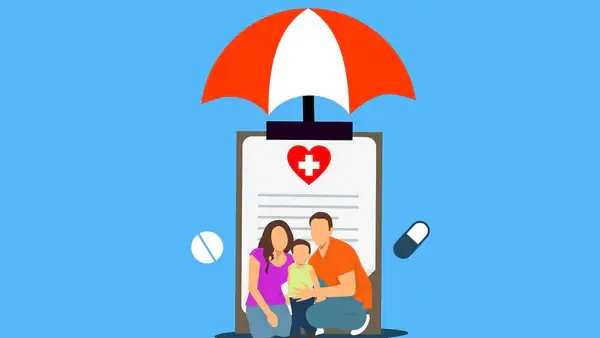
Health insurance primarily covers hospitalization and treatment costs, but may not address all expenses related to critical illnesses or medical emergencies. Critical illness policies offer lump-sum payouts upon diagnosis, helping cover income loss, outpatient care, and other costs beyond hospital bills. Financial planners recommend combining health insurance with dedicated savings and contingency funds to manage uncovered expenses and avoid financial strain during health crises.
First-hand measurement across 2 sources
We measured how 2 outlets covered this story. Coverage leans balanced overall (Left 0%, Centre 100%, Right 0%). Overall sentiment is neutral (65/100). Lens Score 21/100 — low public interest.
Outlets analysed (first-hand measurement by TBN's Bias Engine):
- english— balanced framing, neutral sentiment
- mint— balanced framing, neutral sentiment
AI Analysis
The articles present a neutral financial perspective focused on personal health coverage and planning without political framing. They emphasize practical advice from financial experts and planners, reflecting consumer concerns and industry viewpoints rather than political ideologies or policy debates.
The tone across the articles is cautiously informative, highlighting potential gaps in health insurance coverage and the importance of financial preparedness. The sentiment is balanced, neither alarmist nor overly optimistic, aiming to educate readers on managing medical expenses effectively.
How 2 sources covered this story
Each source's own headline, political lean, and sentiment — so you can see framing differences at a glance.