2 hours agoBusiness
35LENS
9 SourcesDelhi, India
 thebalanced.news
India to Mandate Domestic Solar Ingots and Wafers for Clean Energy Projects from 2028
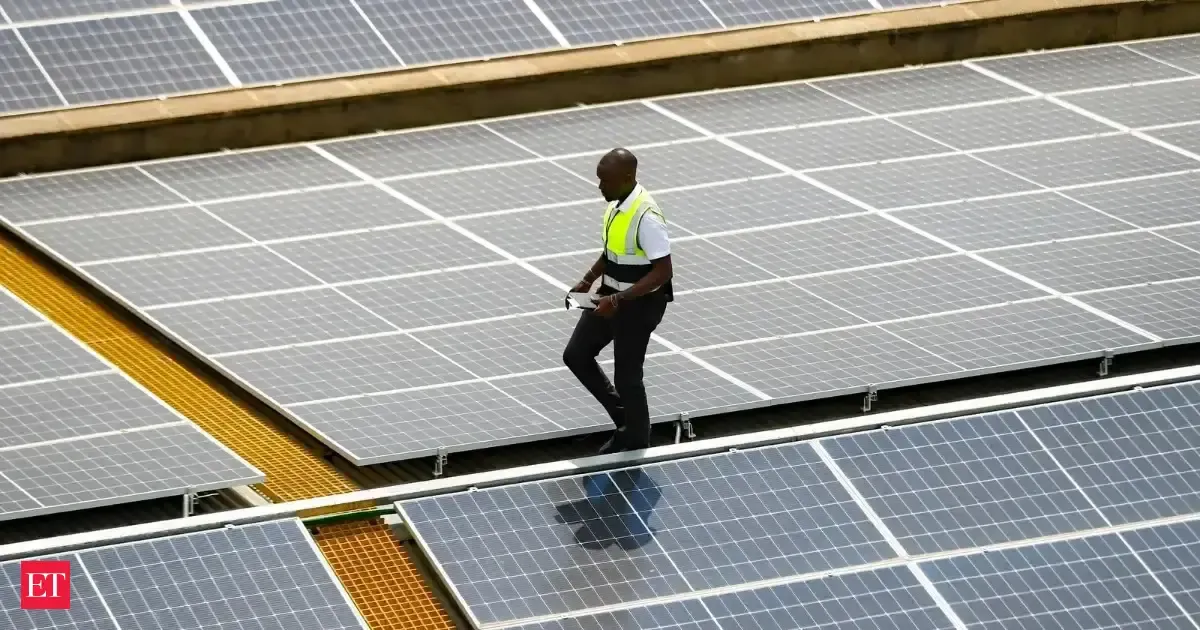
India's Ministry of New and Renewable Energy has proposed mandating the use of domestically manufactured solar ingots and wafers for clean energy projects starting June 2028, extending existing requirements for solar cells effective from June 2026. This move aims to reduce heavy reliance on Chinese imports, as India currently imports nearly all ingots and wafers, with domestic manufacturing capacity around 2 GW. The government plans to implement this through the Approved List of Models and Manufacturers (ALMM) framework, requiring manufacturers to meet capacity criteria before enforcement. Industry players have proposed significant investments to expand manufacturing, supporting India's goal to double non-fossil fuel power capacity to 500 GW by 2030.
Political Bias
10%81%9%
Sentiment
70%
21 stories available
View AI Analysis
Bias Analysis: The article group presents a government-driven policy focused on promoting domestic manufacturing in the solar sector, reflecting a nationalistic economic perspective aimed at reducing import dependence, particularly from China. Sources emphasize government initiatives and industry responses without partisan framing, highlighting official statements and industry investment plans. The coverage includes both policy details and challenges related to manufacturing viability, representing a pragmatic approach rather than ideological debate.
Sentiment: The overall tone across the articles is neutral to cautiously optimistic, emphasizing policy measures and industry efforts to build domestic capacity. While acknowledging current challenges such as limited manufacturing and cost competitiveness with China, the coverage focuses on government strategies and investment proposals aimed at strengthening the solar supply chain. There is no overtly positive or negative sentiment, maintaining an informative and balanced presentation of the developments.
Lens Score: 35/100 — Story is receiving appropriate media attention. Public interest: 0/100. Coverage gap: 100%.
Related Coverage
Select a news story to see related coverage from other media outlets.