Skip to content
Get the Balanced News app for a better experience!
The Balanced News Logo
Analytics
The Balanced News Logo

Stay Balanced, Stay Informed

Menu
  • Browse News
  • Underreported Stories
  • Curated Feeds
  • Insights
  • Analytics
  • Our Writers
  • About Us
  • Download App
Learn
  • How It Works
  • Bias Detection
  • Lens Score
  • Source Bias Checker
  • Accountability
  • Custom Feeds
Newsroom
  • Writers & Analysts
  • About TBN
  • Editorial Standards
  • Corrections Policy
  • Our Partners
  • Insights
Socials
  • Youtube
  • Instagram
  • X
  • Facebook
News Categories
  • Trending
  • Politics
  • Sports
  • Business
  • Tech
  • Entertainment
  • Health
  • Science
  • Crime
  • Lifestyle
  • National
  • International
  • Good News
  • Crypto

Get Our App

Available for iOS and Android


LensFeedsInsightsAnalyticsTrendingGood NewsSportsPoliticsBusinessCrimeTechEntertainmentHealthNationalInternational

© 2026 The Balanced News. All rights reserved.

About UsEditorial StandardsCorrectionsHelp & SupportPrivacy PolicyTerms & Conditions
India's Electric Vehicle Market Growth, Policy Challenges, and Investment Trends in 2026
Categories

Categories

Related Coverage

Select a news story to see related coverage from other media outlets.

Related Coverage

Select a news story to see related coverage from other media outlets.

  1. Home
  2. /
  3. Business

India's Electric Vehicle Market Growth, Policy Challenges, and Investment Trends in 2026

Analysed 13 Jul 2026·19 sources analysed·India·Business
India's Electric Vehicle Market Growth, Policy Challenges, and Investment Trends in 2026PreviousNext

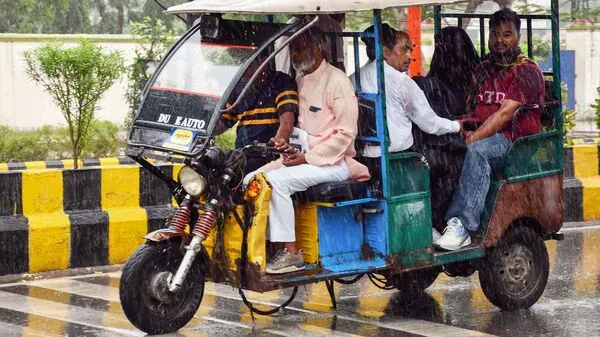
India's electric vehicle (EV) market is projected to grow twelvefold to 30.4 million units by 2032, driven by rising consumer interest, policy support, and higher fuel prices. Electric two- and three-wheelers dominate sales, while four-wheelers show accelerating adoption. Industry players urge cautious implementation of policies like the battery aadhaar and express concerns over upcoming fuel-efficiency norms. Investment activity in the automotive sector slowed in Q2 2026 but remained focused on technology-led EV and mobility firms. Experts highlight the need for improved infrastructure, supply chain resilience, and consumer incentives to sustain growth.

TBN's observations

First-hand measurement across 2 sources

We measured how 2 outlets covered this story. Coverage leans balanced overall (Left 5%, Centre 93%, Right 2%). Overall sentiment is positive (67/100). Lens Score 30/100 — low public interest.

Outlets analysed (first-hand measurement by TBN's Bias Engine):

  • businessstandard— balanced framing, neutral sentiment
  • news18— balanced framing, neutral sentiment
Political Bias
5%93%2%
Sentiment
67%
AI analysis of 2 sources · Published under editorial oversight by The Balanced News
Analysed 13 Jul 2026· How this analysis is produced· Editorial standards· Corrections

AI Analysis

Political bias across 19 sources
● Left 5%● Center 93%● Right 2%

The article group presents a range of perspectives from industry bodies, government policy discussions, and market analysts without favoring any political ideology. It includes viewpoints from manufacturers lobbying for policy delays, experts advocating for timely implementation, and investors emphasizing selective funding. The coverage reflects a balanced representation of stakeholders involved in India's EV sector, focusing on economic and regulatory aspects rather than political debates.

Sentiment — Positive (67/100)

The overall tone across the articles is cautiously optimistic, highlighting strong market growth and increasing consumer adoption of EVs. However, it also conveys concerns about regulatory challenges, infrastructure gaps, and investment selectivity. The sentiment balances enthusiasm for the sector's potential with pragmatic recognition of hurdles, resulting in a mixed but forward-looking narrative.

How 2 sources covered this story

Reviewed byMrunal Wange· Business & Economy Editor· Edited byOjas Kale
← Previous
Private Equity Investments in Indian Real Estate Rise 33% to $3.2 Billion in H1 2026
Next →
White House Seeks Voluntary Pledge to Manage AI Power Demand Without Raising Bills

Each source's own headline, political lean, and sentiment — so you can see framing differences at a glance.

SourceTheir headlineBiasSentiment
businessstandardDelhi EV policy mandates should not be imposed, says transport unionCenterNeutral
news18Delhi EV policy mandates should not be imposed: Transport unionCenterNeutral

Coverage timeline

news18 broke this story on 11 Jul, 04:31 pm. Other outlets followed.

  1. 1
    news1811 Jul, 04:31 pm
    Delhi EV policy mandates should not be imposed: Transport union
  2. 2
    businessstandard11 Jul, 05:00 pm
    Delhi EV policy mandates should not be imposed, says transport union

Lens Score breakdown

30/100
Public interest0/100
Coverage gap100%

Well-covered story — coverage matches public importance.

Who's involved

Institutions and figures named across source coverage.

Government
Delhi Lieutenant GovernorDelhi Lieutenant Governor Office

Story context

Category
Business
Location
India
Sources analysed
19
Last analysed
13 Jul 2026
Key entities
Electric vehicleIndiaElectric batteryAutomotive industryEcosystemElectrificationIndian rupeeAll-terrain vehicleSUVDelhiHybrid electric vehicleNew Delhi