US Imposes 25 Percent Tariff on Select Brazilian Imports Citing Unfair Trade Practices
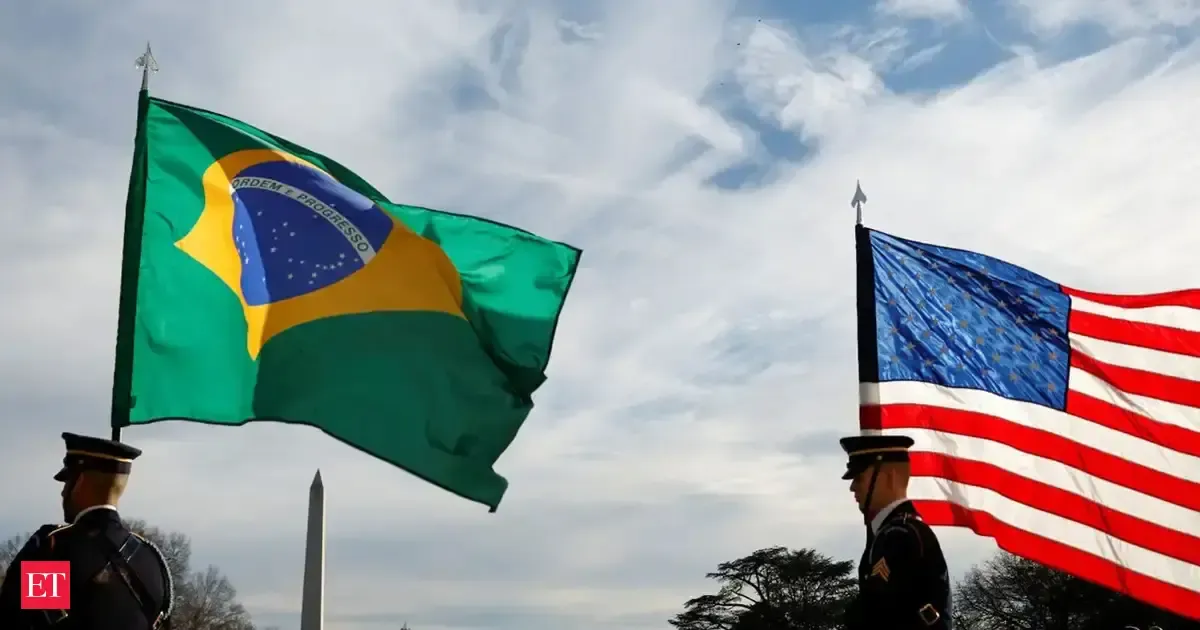
The United States announced a 25 percent tariff on certain Brazilian imports effective July 22, citing a year-long Section 301 investigation that found Brazil's trade practices—including preferential tariffs for India and Mexico, digital trade policies, intellectual property issues, and deforestation concerns—unfairly burden US commerce. Exemptions include coffee, beef, and some aerospace parts. Brazil criticized the move as a violation of trade rules, while the US emphasized ongoing openness to negotiations to resolve these issues.
First-hand measurement across 11 sources
We measured how 11 outlets covered this story. Coverage leans balanced overall (Left 13%, Centre 82%, Right 5%). Overall sentiment is neutral (40/100). Lens Score 35/100 — moderate-to-low public interest.
Outlets analysed (first-hand measurement by TBN's Bias Engine):
- wion— balanced framing, neutral sentiment
- thetelegraph— balanced framing, neutral sentiment
- economictimes— balanced framing, neutral sentiment
- businessstandard— balanced framing, neutral sentiment
- hindustantimes— balanced framing, neutral sentiment
- timesnow— balanced framing, neutral sentiment
- firstpost— balanced framing, neutral sentiment
- thetribune— balanced framing, neutral sentiment
AI Analysis
The article group presents perspectives from both the US government and Brazilian officials. US sources emphasize unfair trade practices and the need to protect American workers, while Brazilian authorities criticize the tariffs as unjust and harmful to bilateral relations. Some sources highlight political tensions linked to leadership and election dynamics, reflecting a mix of economic and political framing without overt bias toward either side.
The overall tone is mixed, combining critical views of Brazil's trade policies from US officials with Brazil's strong condemnation of the tariffs. Coverage includes factual reporting of the tariff imposition and exemptions, alongside expressions of diplomatic friction. The sentiment balances between highlighting economic concerns and the negative impact on bilateral relations, avoiding sensationalism.