US Imposes 25% Tariffs on Select Brazilian Imports Citing Unfair Trade Practices
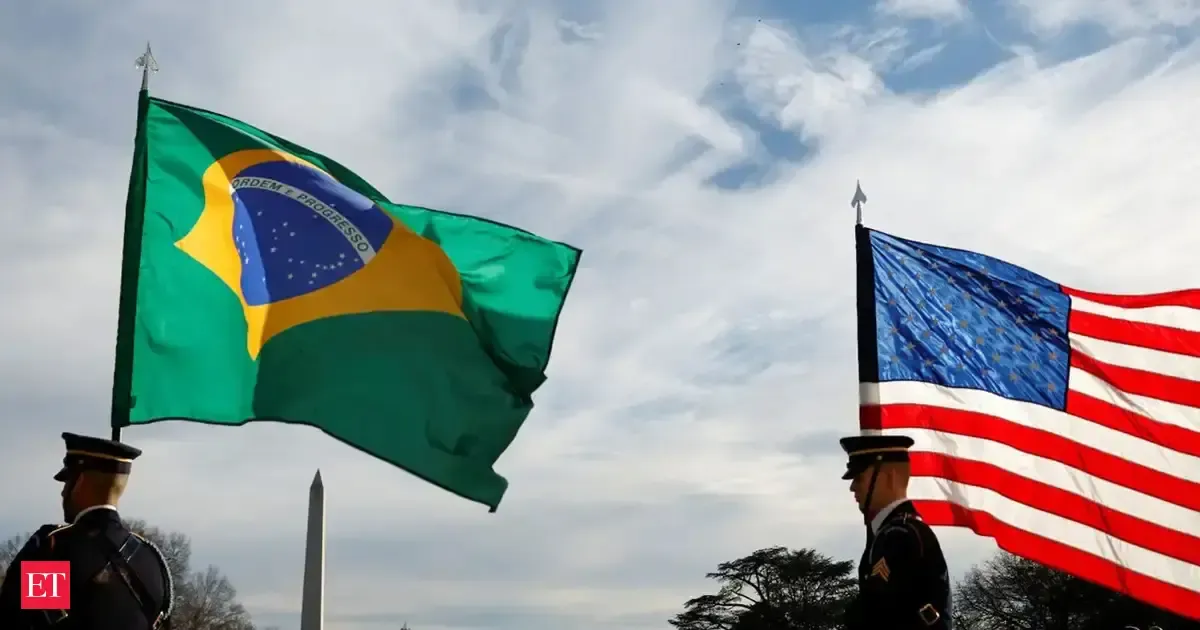
The United States announced a 25% tariff on certain Brazilian imports effective July 22, citing unfair trade practices including digital trade policies, preferential tariffs favoring India and Mexico, intellectual property issues, ethanol market access, and deforestation concerns. Exemptions cover products like coffee, beef, and aerospace parts. Brazil condemned the tariffs as unjustified, highlighting the US trade surplus with Brazil and pledging reciprocal measures and WTO dispute actions. Both sides remain open to negotiations amid escalating trade tensions ahead of Brazil's October elections.
First-hand measurement across 15 sources
We measured how 15 outlets covered this story. Coverage leans balanced overall (Left 17%, Centre 76%, Right 7%). Overall sentiment is neutral (40/100). Lens Score 35/100 — moderate-to-low public interest.
Outlets analysed (first-hand measurement by TBN's Bias Engine):
- moneycontrol— balanced framing, neutral sentiment
- mint— balanced framing, neutral sentiment
- economictimes— balanced framing, neutral sentiment
- wion— balanced framing, neutral sentiment
- hindustantimes— balanced framing, neutral sentiment
- english— balanced framing, neutral sentiment
- mint— balanced framing, neutral sentiment
- news18— balanced framing, neutral sentiment
AI Analysis
The article group presents perspectives from both the US and Brazilian governments. US sources emphasize enforcement of trade laws and protection of American economic interests, framing Brazil's policies as unfair. Brazilian sources reject these claims, highlighting the US trade surplus and accusing the US of political motives linked to domestic Brazilian elections. The coverage includes official statements and reactions from key political figures, reflecting a balanced representation of the dispute.
The overall tone across the articles is mixed, combining factual reporting of the tariff imposition with critical responses from Brazil. US sources maintain a neutral to firm tone emphasizing legal justification and negotiation openness, while Brazilian sources express strong disapproval and concern over economic impacts. The inclusion of political context and retaliatory measures adds complexity, resulting in a coverage that is informative without overtly positive or negative sentiment.