Indian Equity Markets Decline Amid US-Iran Conflict and Energy Price Volatility
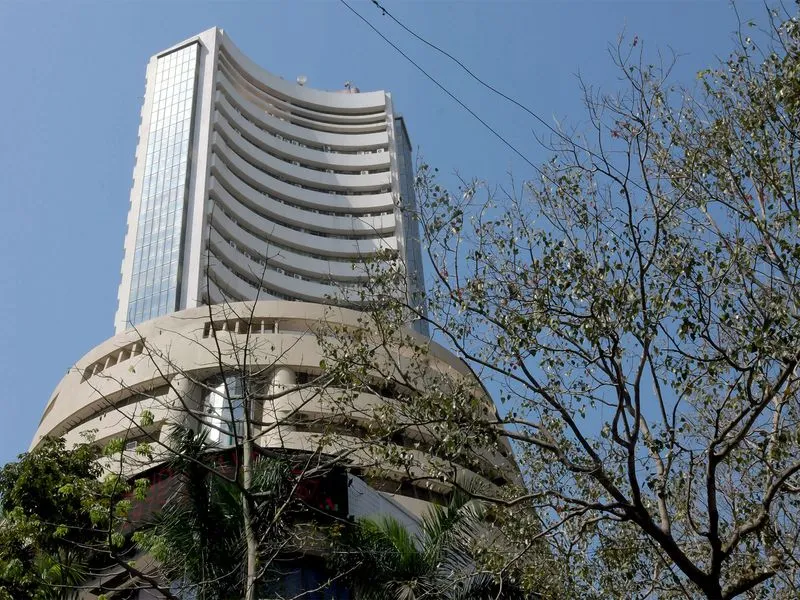
Since the US-Iran conflict began on February 28, Indian equity markets have declined by about 4-5%, affected by geopolitical tensions, volatile crude oil prices, and inflation concerns. The conflict disrupted shipping through the Strait of Hormuz, a key energy route, causing energy price fluctuations. Indian indices, including the Nifty 50 and Sensex, saw notable declines, with sectoral impacts varying. Recent ceasefire developments and cancelled negotiations have added uncertainty to market sentiment and future outlook.
First-hand measurement across 2 sources
We measured how 2 outlets covered this story. Coverage leans balanced overall (Left 0%, Centre 100%, Right 0%). Overall sentiment is neutral (40/100). Lens Score 38/100 — moderate-to-low public interest.
Outlets analysed (first-hand measurement by TBN's Bias Engine):
- thetribune— balanced framing, neutral sentiment
- mint— balanced framing, neutral sentiment
AI Analysis
The articles present a primarily economic and geopolitical perspective without partisan framing. They focus on the impact of the US-Iran conflict on Indian markets, referencing official events like airstrikes and negotiations. Both sources highlight geopolitical tensions and market reactions without attributing blame or endorsing any side, maintaining a neutral stance on the conflict itself.
The overall tone is cautious and factual, reflecting concerns over market declines and geopolitical uncertainty. While noting some positive developments like ceasefire talks, the coverage emphasizes volatility and investor apprehension. The sentiment is mixed but leans toward negative due to the economic impact and ongoing uncertainties surrounding negotiations and conflict escalation.
How 2 sources covered this story
Each source's own headline, political lean, and sentiment — so you can see framing differences at a glance.