New Zealand Develops Methane-Reduction Technologies for Livestock Emissions
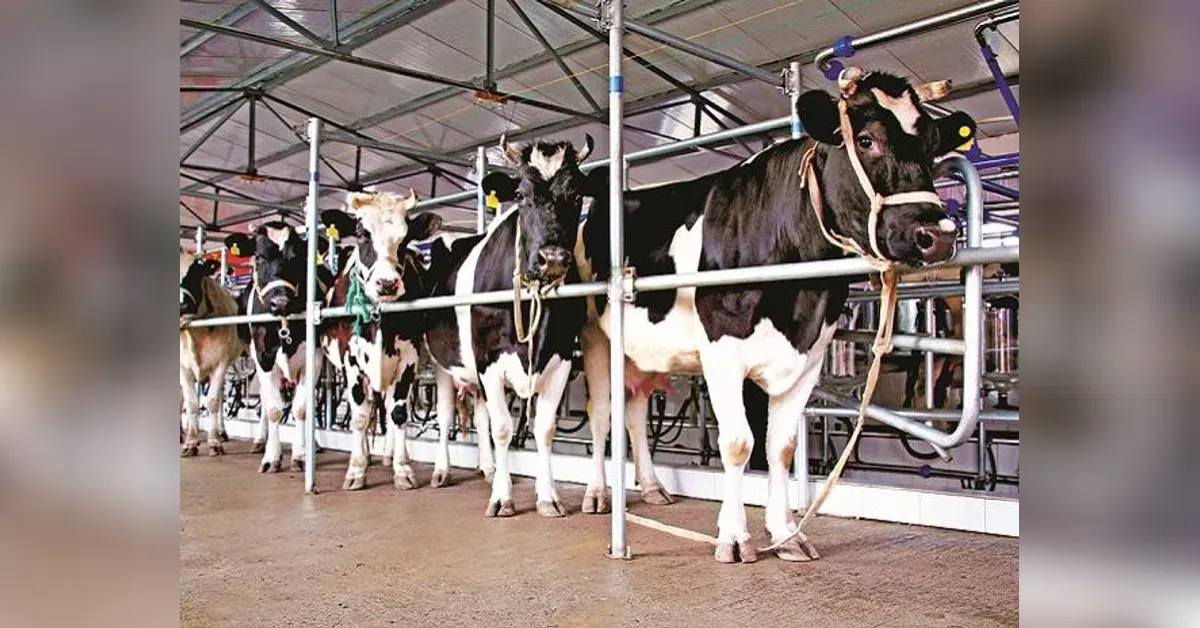
New Zealand is advancing methane-reduction technologies for livestock to address its high per-capita methane emissions, which constitute over 40% of its greenhouse gases. Innovations include a methane-suppressing bolus awaiting regulatory approval, along with compounds from daffodils, probiotics, vaccines, and selective breeding. These efforts, supported by government and industry, aim to reduce emissions while sustaining agricultural exports, though widespread adoption and impact on climate goals remain uncertain.
First-hand measurement across 2 sources
We measured how 2 outlets covered this story. Coverage leans balanced overall (Left 10%, Centre 85%, Right 5%). Overall sentiment is positive (70/100). Lens Score 45/100 — moderate-to-low public interest.
Outlets analysed (first-hand measurement by TBN's Bias Engine):
- businessstandard— balanced framing, positive sentiment
- economictimes— balanced framing, positive sentiment
AI Analysis
The articles present a largely neutral perspective focused on scientific and regulatory developments in New Zealand's agricultural sector. They highlight government and industry collaboration without partisan framing. The coverage emphasizes innovation and environmental responsibility, reflecting a consensus on the importance of addressing methane emissions while supporting economic interests.
The tone across the articles is cautiously optimistic, emphasizing technological progress and potential benefits for climate goals and exports. However, they also acknowledge uncertainties regarding regulatory approval and large-scale implementation, resulting in a balanced sentiment that combines hope for innovation with realism about challenges ahead.
How 2 sources covered this story
Each source's own headline, political lean, and sentiment — so you can see framing differences at a glance.